
Many people who rent in Florida have health and safety issues in their homes. If there are broken locks, no hot water, or mold, it could be hard for tenants to live there. People are upset and don’t know how to fix these problems.
According to Florida law, landlords must constantly observe strict health rules while a tenant is residing there. Landlords must keep rental dwellings safe, clean, and liveable by law. They need to correct things right away.
This blog post makes it very clear what the Florida Health Codes say about rental properties. You will learn what rules landlords must follow, what tenants may expect from safe housing, frequent violations to look out for, and how to swiftly report any problems.
Stay with us if you want your home to be safer, cleaner, and less stressful!
Key Points
- Florida law (Title VI, Chapter 83, Section 51) says that landlords must follow health rules to make sure that rental dwellings are safe, clean, and liveable. This means they have to fix damaged things, such locks, hot water, and pests, within seven days of getting a written notice from the renters.
- Tenants have the right to live in safe housing. If repairs aren’t made, they can cease paying rent or end their leases. The law states you have to give written notice of repairs before you do anything.
- Some typical problems are not having hot water, having wiring or outlets that aren’t right, having stairs or handrails that aren’t safe, having a restroom that doesn’t receive enough air, having windows or doors with broken locks, and having pests like rats or bugs.
- At least once a year, property inspections should employ checklists for things like plumbing and smoke alarms. If there is a disagreement, take images of the difficulties as proof.
- You can receive help from your local housing authority or the Florida Department of Agriculture and Consumer Services (FDACS) if you’re still having trouble. Include precise proof when you file a complaint.
A Look at Florida’s Health Codes for Rental Homes
Florida health codes protect renters and make it clear what landlords can and can’t do. These guidelines make sure that everyone knows what to anticipate and that rental homes are safe, clean, and healthy.
What are the health codes in Florida?
The health codes in Florida make it clear what the rules are for rental homes. They inspect to see if homes are secure, liveable, and strong enough to bear everyday wear and tear. Landlords must keep up with repairs so that tenants can get hot water, plumbing, heating, and pest control.
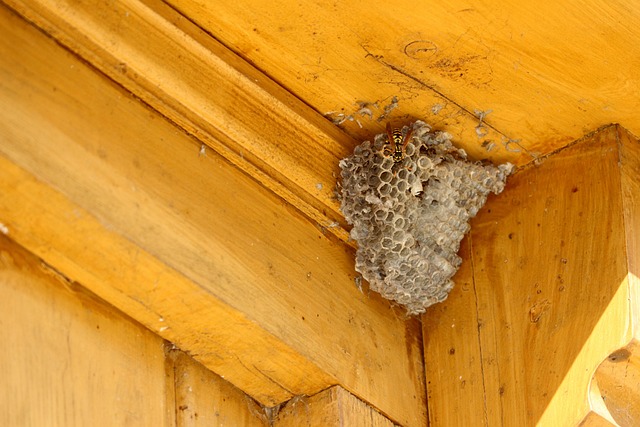
These standards help stop things like mold and staircases that are too weak from happening. According to the law, tenants have the right to live in clean places and not have to worry about pests or broken doors.
Codes also guarantee tenants’ right to privacy and peace in their own houses. The goal is always to keep everyone safe and healthy.
Florida law says that landlords must keep homes that can handle normal forces and loads.
What rules do landlords have to follow?
Florida’s building, housing, and health laws apply to all rental homes. If there isn’t a code in place, they have to make sure the building is safe and sound. At the commencement of a lease, landlords must put up window screens that are in good repair. If they need to, they must fix them once a year.
The plumbing and the main parts of the building must constantly work properly.
Landlords of multi-family homes take care of pests, make sure that each unit has working locks and keys, pick up trash, give tenants access to hot water, and make sure that common spaces like halls and staircases are safe.
You must have smoke alarms in your single-family home or duplex when you move in. Tenants and their guests are not responsible for damage done to the property.
They also have to submit written notice at least 24 hours before they can go into a property to do repairs between 7:30 a.m. and 8 p.m, which is a rule in landlord-tenant legislation about privacy and upkeep.
What rights do tenants have in Florida?
All renters have the same rights under the lease. You have to follow the regulations immediately away when you sign. You can’t change your mind. You have the right to enjoy your rental accommodation in peace.
Your landlord can’t come in without giving you proper notice or bother you at any time.
If your landlord doesn’t fix big problems in the house, you can stop paying rent after giving them written notice and waiting 7 days. Florida protects renters from retaliation if they file complaints, join tenant groups, or don’t pay rent until damages are made.
Written notice is needed for eviction: 60 days for yearly leases, 30 days for quarterly leases, 15 days for monthly leases, and 7 days for weekly leases. You can tell the Florida Department of Agriculture and Consumer Services (FDACS) or get legal help if your deposit is being held wrongfully.
If landlords use illegal eviction methods, renters can sue for damages or up to three times the rent amount.
Identifying Common Health Code Violations
There are many health and safety risks in rental properties. Some are plain to see, while others may be hard to find. Both landlords and tenants can keep the property safe and healthy by knowing what these problems look like.
What problems come up when hot water isn’t always available?
According to Florida law, landlords must provide tenants with hot and cold running water. Not having hot water is against health codes. Tenants require hot water that works for bathing, washing dishes, and cleaning.
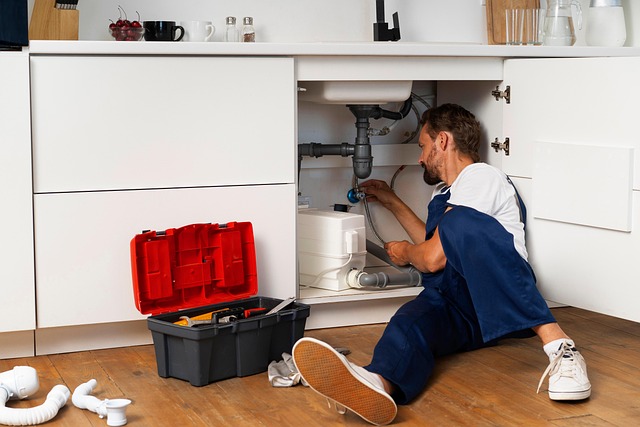
If there is no hot water, a rental home may not be safe to reside in and could be bad for public health.
Landlords must fix problems with important utilities within seven days of getting a written notice from renters. There are rules in the law that apply to both single-family and multi-family rentals.
Tenants can get support from local authorities or housing agencies if their landlords don’t fix the situation.
Florida laws protect your right to this important service, and without regular access to hot water, basic needs become harder.
How to tell if there are electrical safety issues?
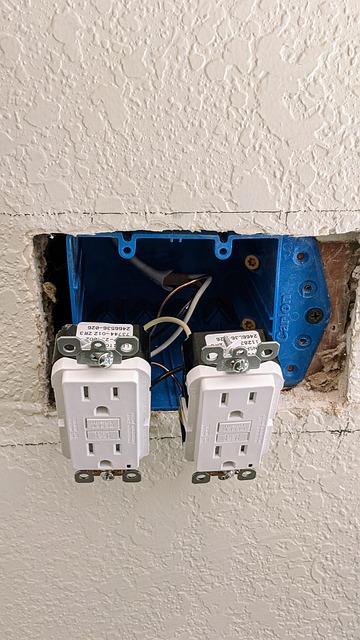
It’s very important for rental properties to be safe with electricity. Wiring that isn’t safe and systems that don’t work right can cause fires or other big problems.
- If you see sparks, burn marks, or smell something burning, you may have an electrical danger.
- Check the unit for exposed wires, which are against Florida safety rules and put residents in danger.
- Check all of the light switches and outlets. If any of them don’t work, it could mean that there are bigger problems with the circuit.
- Check to see if the smoke alarms work. They are required by code in single-family and duplex apartments.
- If your breaker trips often, it could mean that your wiring is overloaded and could start a fire.
- Check the power panels for loose covers or missing pieces. Both of these things are against fundamental property maintenance rules.
- If you hear buzzing from outlets or switches, this is usually a clue that something is wrong with the wiring.
- If you see any lights flickering, tell your landlord right away. This could mean there is an issue with the circuit.
- If you smell strange aromas around electrical fixtures, it could be because the wires are too hot and could start a fire.
- If any of these problems come up, write to your landlord. Landlords have to fix problems within seven days of getting a written notice.
- Keep in mind that tenants are responsible for harm they do to electrical items. Landlords are not.
What makes stairs and handrails dangerous?
After checking for electrical dangers, look at the risks that come with stairs and handrails. People can easily fall if the railings are broken or absent. Loose steps can move underfoot, which can make you trip and slip.
Regular maintenance is very important since buildings with weak structures often fall down without warning.
All stairs and handrails must be in good order according to Florida building rules. They should be able to handle regular forces without any problems. Landlords have to fix dangerous stairs or broken railings within seven days of getting a written warning from renters.
If this doesn’t happen, both tenant rights and property management are at risk of breaking the law. As part of a good inspection standard, always write down any problems you see during walk-throughs.
How to find out whether there are ventilation difficulties in bathrooms?
For health and comfort, it’s important to have good bathroom ventilation. If there isn’t enough air flow, mold, mildew, and other problems can happen.
- Before you use the bathroom, make sure the exhaust fan is working properly. Weak fans or no fans at all can make the air very humid.
- Check for steam on mirrors or walls that doesn’t go away right away after a shower. Lingering moisture means that moisture control is not good.
- Look for smells that are musty or moist. This could mean that mold is growing in secret because there is too much humidity.
- Look for any paint or wallpaper that is flaking near the ceiling. Most of the time, this damage comes from moisture that stays in the air.
- Look for mold or water drops around windows, vents, and corners. Persistent condensation means that the air isn’t moving well and there may be problems with the construction code.
- Look for dark spots on tiles or ceilings. Under Florida health standards, these stains often mean mold, which is very bad for your health.
- You can ask your landlord about past repairs that were made because of leaks or fans in your rental agreement or when you walk around the property.
- If you detect any damage caused by bad ventilation, take pictures of it and let your landlord know in writing right once. In Florida, landlords have to fix these problems within seven days.
- Make sure that windows can be opened easily and that furniture or paint doesn’t block vents. Over time, less ventilation makes things worse.
- Pests like cockroaches can live in places that are too humid and don’t have enough air flow.
Regular inspections help renters protect their rights and keep the bathrooms safe and healthy, as required by Florida Department of Health guidelines.
What problems arise from damaged windows and doors?
Bathrooms need good ventilation to keep mold and moisture from growing. Windows and doors are just as important as ventilation. Broken windows or doors can cause problems for both tenants and landlords.
Broken locks make it less safe for tenants. Gaps let in rain, insects, and even mice. This could lead to health problems and further maintenance in the future. Florida health standards specify that every unit must have working locks and keys.
If a landlord doesn’t reply to a written warning about these problems, they have seven days to fix them.
Tenants should always check the windows and doors before signing a lease. Any damage must be noticed right away during the inspection. Fixing structural integrity isn’t just about how it looks; it also keeps homes safe, secure, and up to code, which protects everyone’s rights under Florida law.
How to detect mold and pest infestations?
Mold and bugs can be dangerous for your health in any rental home. Finding problems immediately keeps tenants safe and protects the property.
- Check the walls, ceiling, and floor for black spots or stains. These could be symptoms that mold is growing.
- There could be mold hiding someplace if you notice musty or earthy smells.
- If the paint is peeling or the walls are bent, that could imply that there is mold.
- Look beneath sinks and in bathrooms. Mold and pests like it when things are damp.
- If your allergies are worse when you’re inside, you might have a mold problem.
- Check windows, doors, and baseboards for small holes or cracks that bugs can get through.
- You can observe genuine bugs like ants or cockroaches during the day. Just one sighting can imply a greater problem.
- If you see mouse or rat droppings in your kitchen, pantry, or near the trash can, that means they are there.
- Check the corners of closets and cabinets for nests made of ripped paper or cloth.
- Check your cupboards for chewed-up food packaging. Mice and rats usually leave tooth marks on boxes and bags.
- Under Florida law, landlords of apartments with more than one household must get rid of pests like rats, mice, cockroaches, ants, bedbugs, and organisms that eat wood.
- Because mold is bad for your health, Florida law says that it must be eradicated.
- Tenants should take pictures and write down any symptoms of an infestation during walk-throughs before moving in to protect their rights later.
- The law specifies that landlords have to fix pest concerns within seven days of getting a written complaint from a tenant.
- Tenants may be entitled to stop paying rent until the pests are gone if landlords don’t take care of infestations.
Landlord Responsibilities Under Health Codes
Landlords in Florida must keep rental houses clean and safe. Read on to find out how they do this.
What do landlords need to do to keep the place clean and safe?
To make sure that everything are safe and clean, a lot of work needs to be done. Make sure that all the areas that everyone in a multi-family home uses are clean. Put out trash cans and pick up the rubbish at apartments on a regular basis.
Hire a pest control company to get rid of bugs and rodents if your building has a lot of them.
Make sure that heating systems are always on and that tenants always have running water, even hot water. Check the smoke detectors before a tenant moves into a duplex or single-family home.
Make sure that every tenant has locks and keys for safety, and that the windows and doors are in good shape. It’s easy to miss these Florida health code breaches if you merely know the basics about construction standards.
Let’s speak about how landlords meet these rules by following building codes next.
What building codes must landlords comply with?
After making sure the property is clean and safe, Florida landlords must observe specific building requirements. The Florida Statutes, Title VI, Chapter 83, Section 51, specify that these are the duties.
Landlords must follow all municipal norms and laws for housing, health, and safety. Even yet, state law requires cities or counties without local regulations to have a strong building. This implies that they must take care of roofs, windows, doors, staircases, and other important parts on a regular basis.
Plumbing systems must always perform properly. All repairs should be done to a high standard so that the people who live there are safe and healthy. These criteria must be followed for every choice about repairs or maintenance.
If you break something, city inspectors or even the people who live there can reprimand you or sue you.
How should landlords respond to repair requests?
Property owners have more to do than merely obey the rules for building. Florida landlord tenant law also specifies that landlords must respond quickly and accurately to requests for repairs.
- According to state law, landlords have to react to written requests for repairs from tenants within seven days.
- Landlords can obtain notices by hand, by mail, or by email, although Section 83.505 stipulates that email can only be used if there is a signed agreement and valid addresses.
- That 7-day period is when all repairs should be made. If they aren’t, tenants can break the agreement or cease paying rent until the repairs are done.
- Landlords can’t harass renters or come in when they’re fixing things. They have to respect their privacy.
- If pest control needs to work in the unit, the owner must give renters 7 days’ notice and stop collecting rent during that time.
- Taking action quickly decreases the risk of getting into trouble with the law and helps you stay up to current with health code compliance.
- Quick action also maintains property values high and stops small problems from getting worse.
- These procedures help sustain the trust between landlords and tenants, which makes it safe for everyone to live there.
Tenant Roles in Maintaining Health Standards
Every day, tenants help keep rental homes clean and safe. If they follow these simple safety guidelines, they can make housing better for everyone… It’s working with the landlord.
How should tenants report problems to landlords?
Renters in Florida are very important for keeping rental homes safe. Repairs happen faster when you report problems quickly and talk to the right people.
- Always tell your landlord about health or safety issues in writing, whether it’s by hand, by mail, or by email.
- Include specific details about the issue and how it affects your daily life. For example, hot water heaters that don’t work or electrical problems.
- Take pictures or write down problems that come up during a walk-through or after they happen. This will help you keep track of any problems with your lease.
- Keep copies of all the messages you make to your landlord about repairs and other problems for your own records.
- The law specifies that landlords have seven days to fix any concerns you alert them about. The day they obtain your written notice is when this time starts.
- You can file complaints with groups like the Florida Department of Agriculture and Consumer Services (FDACS) if nothing happens after seven days.
- If unsafe conditions don’t get repaired even after formal notices and deadlines, get in touch with your local housing authority.
- Make sure you keep track of everything you do. Good records will make it simpler to acquire legal help later if you need it.
What are tenants’ responsibilities for cleanliness?
Even if tenants alert their landlords about problems, they still have to clean up after themselves. People who rent in Florida must keep their homes clean and free of germs.
That means you have to clean the kitchens, bathrooms, and floors a lot. If you place trash in sealed bags or containers, pests like mice and roaches won’t come around.
It’s not only about how things look; being clean also keeps you safe and healthy. Rental agreements might say specifically what tenants need to do, including getting rid of bugs or cleaning the place regularly.
If the tenant doesn’t keep things tidy, the landlord can give them a 7-day notice. According to state rules about cleanliness and maintenance, tenants have seven days to fix the problem or they would have to leave the house.
How should tenants dispose of trash properly?
Tenants must dump all of their waste in the garbage cans that the property provides. People usually put bins in specified spots in buildings where more than one family lives. Don’t leave trash in hallways, yards, or near doors.
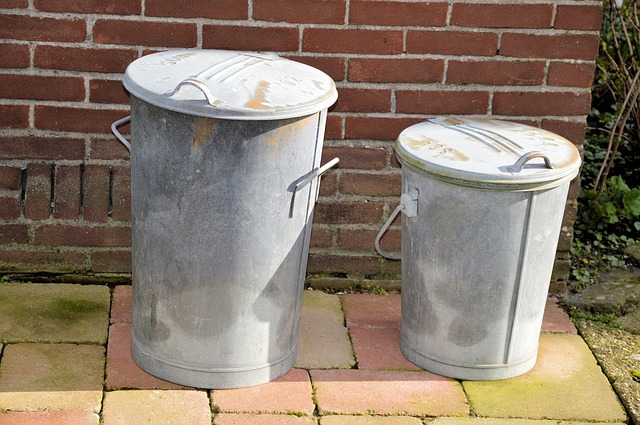
This keeps rats and bugs away and helps you stay inside Florida’s health code.
Management could put up signs that explain the rules for recycling. For things like cans and cardboard, make sure to follow these laws closely. Make sure the bags are tied tightly before you place them in the containers. Only put out trash on the days when it is picked up to obey the guidelines in your community.
These measures help keep common spaces clean and make it easier to tidy up all the rental homes.
Reporting Health Code Violations Procedures
If you notice a health or safety problem, act fast. Taking a few simple steps can help keep your house safe. If you know how to start this process, repairs might happen sooner and your home will be safer.
How to notify landlords in writing about issues
You can give your landlord a written notice by hand, via mail, or by email. Before utilising email, all parties must agree in writing and disclose real addresses. Clearly say what the health code violation or safety issue is.
If you can, submit pictures or notes as proof.
Keep copies of all your letters. Florida law specifies that if you have problems with your rental home, you have to give written notice before you can stop paying rent or end your lease. This step protects tenants and allows everyone see what was reported, when it was sent, and what documents were sent with it.
How long should tenants wait for repairs?
The law in Florida is very clear. Landlords have seven days to fix health code or safety issues in the rental property after the tenant sends them a written notification. If the repairs aren’t done by the time set by state law, tenants can cease paying rent or break the lease.
Tenants have to write a request for repairs and then wait the full seven days before doing anything else. This guideline makes sure that everyone follows local health codes and keeps both landlords and tenants safe.
It’s just as important to know how to ask for a house inspection if the repairs aren’t finished yet.
How to request a housing inspection?
If you want to ask for a housing inspection, contact your local Housing Authority or the Florida Department of Agriculture and Consumer Services (FDACS). Show proof that you wrote to your landlord about the health code issues.
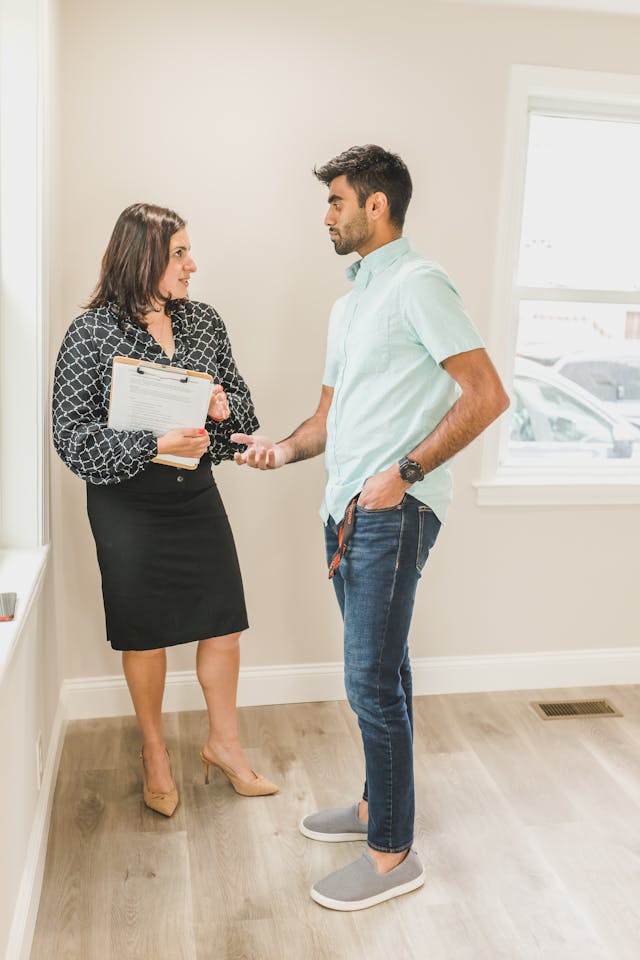
Include copies of any past requests, emails, pictures, or notes as verification.
Tell us why you think there are code violations that go against Florida Health Codes’ safety standards or tenant rights. Inspections can help find problems that could lead to lawsuits or help renters.
If your landlord doesn’t respond to your written request, call the right office and ask to file an inspection request straight away. This method keeps tenants safe when landlords don’t do their tasks or don’t fix important things.
When and how should you get in touch with your local housing authorities?
Even after making a formal request for repairs and requesting for an examination of their house, tenants may still have problems that haven’t been remedied. Local housing authorities are ready to help enforce the rule and deal with infractions of the housing code.
- After getting a written request, landlords have seven days to fix any health or safety issues.
- If repairs aren’t done in this time frame, tenants can call the Florida Department of Agriculture and Consumer Services (FDACS) or their local housing authority.
- Tenants should send in all the proof they have, such as pictures or letters explaining the issue, to support their claim.
- Local housing authorities can check homes for health code violations by doing inspections.
- If conditions don’t meet state or city standards, code enforcement agencies may issue Compliance orders.
- Most of the time, you can find contact information for city governments on their websites. There may also be phone numbers in your lease.
- It goes faster with the authorities when you have detailed records of repair requests and responses.
- Tenants should tell the landlord everything that is wrong and what they have already done to solve it.
- Make sure to report any mold, vermin, dangerous wiring, or water that isn’t hot enough clearly, as these things directly affect Tenant rights.
- By responding immediately, local officials can protect Tenant rights and make sure that Landlord obligations are met.
Ensuring Compliance with Health Codes
Landlords and tenants both need to observe health and safety rules. By remaining informed, everyone can help keep rental homes safe, clean, and up to code. Next, find out how to better care for your home.
How often should you check on your property?
Rental property inspections help keep them safe. Regular checkups also keep small problems from turning into big ones.
- Check rental houses at least once a year to make sure they follow Florida’s health rules.
- Schedule inspections at key times during the lease, such as when the tenant moves in and departs, to keep track of the property’s condition.
- Make a list of things like hot water, electrical safety, stairs, handrails, bathroom ventilation, windows, doors, mold, and pest management.
- Property managers can watch these inspections for owners and tell them about any problems straight immediately.
- Take images or videos to show that you found any health code violations during checks.
- After the inspection, talk to the renters about any repairs that need to be repaired immediately away.
- Fix safety issues soon away so you stay within the law and preserve your tenants’ trust.
- Once a year or as needed, checking your property can help you uncover probable problems before they get worse or cost you money.
Next, you need to know how to show your tenants how to take care of their rentals.
How to educate tenants on their rights and duties?
Give tenants written guidelines on health and maintenance when they move in. You can either put these with the rental agreement or hand them out as a flyer. Make it clear how to report repairs, such as by email or a form.
Explain tenant rights in simple words, including the right to a safe place to live and rapid repairs.
Have short meetings or send out reminders about the rules for keeping the site clean and putting away trash. Use simple charts or lists to show landlords and tenants in Florida what their most significant legal duties are.
This kind of education for tenants helps stop problems before they start and stops misunderstandings from arising. Regular updates let everyone know about changes in the Florida Department of Health’s legal requirements.
Why hire licensed professionals for maintenance?
Licensed professionals repair items to ensure their safety and compliance with Florida’s health code. This lowers the risk of breaching the law and keeps landlords out of court and out of trouble.
Property managers such as Guest Managers in Orlando know all the requirements, pass inspections with flying colours, and help keep rental properties safe for tenants.
Renters may also be happier and your property may be worth more if you use licenced services. Property managers in Orlando, like Guest Managers, often set up these services for landlords so they can follow state rules.
Certification confirms that workers have the proper training to do jobs well and obey all the rules. There are no shortcuts here.
The Benefits of Following Florida’s Health Codes
Florida’s clear health laws make homes safer and cleaner, which makes both landlords and tenants feel better. It’s a great idea to learn more about compliance because it means less difficulties, smoother rentals, and healthier places to live.
How does compliance improve tenant satisfaction?
Tenants want their homes to be safe and clean. Landlords and tenants may trust each other when they follow Florida’s health rules. If the landlord fixes things quickly, keeps the apartment clean, and makes sure the hot water works, they care about their renters’ comfort.
Tenants are more inclined to stay longer if they feel safe, which boosts tenant retention rates.
People who rent a place they like will post nice reviews and tell their friends and relatives about it. Getting good evaluations can also help you find new tenants. Lease renewals increase up because fewer people want to leave a place where their needs are met swiftly.
Strong compliance helps landlords and tenants get along and keeps properties in terrific shape year after year.
How does compliance improve tenant satisfaction?
By following Florida’s health standards, landlords and tenants can avoid difficulties. Tenants are less likely to sue or complain about harmful living conditions when landlords follow the regulations.
The legislation protects them against penalties or damage claims as long as they keep up with repairs and respond to concerns right away. Keeping proper records, including noting down maintenance requests and how long it takes to respond, can help stop a lot of arguments before they happen.
Everyone knows what their rights are when they do what they’re told. Tenants know what to expect, and landlords have paperwork in case something goes wrong. When both sides keep up with inspections, they both care about the property’s health requirements.
This strong documentation often keeps small problems from turning into big legal battles in court, which saves everyone time and money.
How does it promote healthier living spaces?

Florida’s health rules help make sure that rental homes are safe and healthy. These regulations ensure sure that buildings are safe and free of pests, mildew, and dangerous things like broken stairs or bad wiring. Tenants can use clean water, breathe fresh air, and use bathrooms that are safe.
Landlords must fix faults soon away in order to meet these safety standards. If their living spaces are healthier, tenants are less likely to get sick and need to see a doctor. People who are healthier miss less school and take fewer sick days from work.
Keeping things clean stops illnesses from spreading in small places like apartments. Homes that are clean are helpful for both the tenants’ health and the value of the property.
How can it increase property value?
Tenants are more inclined to rent homes that follow Florida’s health laws. Tenants tend to pay their rent on time, take care of the property, and stay longer. Renters are more likely to pay more for homes that are well-kept.
Owners have fewer unoccupied units and lower repair costs because regular maintenance keeps severe problems from arising.
Properties that obey the rules get reduced fines from regulators. These considerations matter to investors. They often pay extra for homes that have been well-kept and have seen their value go up over time.
When buyers know that a house follows the rules of real estate and stays in good shape throughout time, it is easier to sell. Every year, authorised professionals make routine upgrades to homes in many Florida towns and cities. This helps investors receive more money back.
Resources for Tenants and Landlords
In Florida, it’s easy to get housing health information and contacts. If you have questions about rental rules or safety codes, you can find reliable links and phone numbers for extra help.
Where to find guidelines from the Florida Department of Health?
On the Florida Department of Health website, you may find health codes for rental homes. There, landlords and tenants can find explicit regulations about how to observe the law. Chapter 83, Section 51 of the Florida Statutes tells you what the law says concerning health standards in rental homes.
This law deals about what landlords have to do, property, and maintenance.
You can call FDACS, which stands for the Florida Department of Agriculture and Consumer Services, if you need more help with housing rules or settling a problem. They deal with complaints and give advice to renters and landlords on consumer protection issues that come up in rental agreements.
Use these government sources to find out about tenant rights, examine the condition of the property, or settle arguments concerning health restrictions in rental apartments.
How can you get in touch with the housing authority in your area?
Rental properties are safe thanks to the work of local housing authorities. They handle tenant complaints about code enforcement, repairs, and other issues.
- The webpage for your city or county government should have the contact information for your local housing authority. Most sites contain phone numbers, email addresses, and forms that you can fill out online.
- The Florida Department of Health (FDACS) and local governments will both accept written complaints about issues with rental laws and rules.
- Make sure you have copies of your written requests for inspections and notices before you call any agency. They could ask for proof in the form of papers.
- You can send in your complaint in writing by either sending a letter or filling out an online form. Be sure to make it clear what the necessity for a property inspection or health code violation is.
- Give them all the proof you have, such as dates, addresses, pictures, and any interactions you’ve had with your landlord in the past.
- You can call to find out how your complaint is doing after you send it in. The staff will tell you what to do next in the process of making a complaint.
- Some cities provide programmes that help tenants register complaints or learn about their rights as renters.
Tenants will benefit from knowing how to report violations and ask for inspections in the future.
What legal support is available for housing issues?
After getting in touch with local housing authorities, tenants and landlords may need more help with big problems or arguments.
Tenants who are wrongly evicted or whose dwelling isn’t up to code can claim for damages. These damages can be up to three times the rent amount plus legal fees. In these cases, having a lawyer is really helpful.
Lawyers help clients with claims about rental infractions and habitability standards. This help keeps both the tenant’s and the landlord’s rights safe during hard times or formal hearings.
Final Thoughts
There are never-ending issues that can come up with rental properties. Landlords can find it overwhelming to always have to check or respond to tenant complaints. That is why in Orlando, it is a landlord’s/homeowner’s best option to hire property managers like Guest Managers who will inspect rental properties, respond to tenant issues promptly, and keep rental property in tip top shape.
Equally as important, Guest Managers will make sure that your rental property is up to code and that there are no violations of Florida laws.
Everyone may enjoy safer houses and easier rentals if everyone follows Florida’s health laws. Clear regulations for landlords and tenants make it easy to solve problems quickly, keep premises clean, and stay out of trouble.
Following these procedures will save you time, help you stay healthy, and potentially raise the value of your property over time. If you have questions, the Florida Department of Health or your local housing office can help you further.
Choose safety and care in every house you rent or own. Taking action today will make rental life better for everyone.
Questions and Answers
1. What are Florida’s health codes for rental homes?
Florida health standards tell people how to keep their houses safe and clean. By making sure that plumbing works, water is safe, and air flows well, these laws help keep renters healthy.
2. Who makes sure that a rental property in Florida satisfies health codes?
Local inspectors check rental properties to make sure they are safe and tidy. They check for things like mold, bugs, leaks, and damaged windows.
3. What happens if a landlord doesn’t follow these health rules?
Landlords have to remedy problems quickly if the property doesn’t pass inspection. Renters can get support from local authority if they don’t act swiftly.
4. In Florida, do tenants have rights if their residence doesn’t meet health codes?
Yes, tenants can ask their landlords to fix things that are against the law. If nothing changes after asking in writing, renters can get help from city or county officials with harmful circumstances.