
The tenant cleaned up, left, and gave you back your keys. The tenant is now waiting for their deposit to be returned. When it comes to security deposits, a lot of people want to know what Florida law says about cleaning fees, damages, or late rent. Florida law is clear, and following it keeps both sides safe.

Key Points
- >Florida landlords can take money off for late rent, damage that is worse than normal wear and tear, extra cleaning, getting rid of abandoned property, and any fees that are listed in the lease, according to Florida Statutes 83.49.
- >You can’t take away normal wear and tear, regular maintenance, or problems that were already there.
- >Within 30 days of the tenant moving out, landlords must send a written, itemised notice by certified mail. If they don’t, they can’t deduct.
- >Tenants have 15 days to contest deductions. In small claims court, pictures, checklists, and receipts can be helpful.
- >Florida has to keep deposits and give enough notice. If landlords don’t do things the right way, they could get in trouble with the law. In Florida, it’s very important to get your security deposit back, so keep a full checklist and pictures of the state of your property to help with the paperwork.
One of the best options is to use property management companies in Florida, like Guest Managers in Orlando to take care of everything you need for your rental property, like cleaning it, collecting rent, and moving tenants in and out. Florida law makes it easy for them to give back a security deposit. Property managers know how to get rent, move rental properties, and take care of rental properties.
Florida’s Security Deposit Regulations
When you want to know more about Florida’s rules about security deposits, FL Statute 83.49 is a good place to start. A Florida bank account is where landlords must keep each security deposit. If the account earns interest, the landlord’s money and the account’s money must be kept separate.

If the money earns interest, tenants get either 75% of the interest or a flat 5% every year. Landlords can keep money in an interest account, a noninterest account, or a surety bond, which is a promise to pay that works like insurance.
If a landlord has five or more rentals or uses an interest account, they must send a written notice within 30 days of getting the deposit. The certified mail notice tells you where the money is and if it earns interest. Clear notices make the process of getting your Florida security deposit back go more smoothly.
If a landlord misses a deadline, they might not be able to deduct or have to deal with issues. The law doesn’t say that there is an automatic late fee, but keeping records and paperwork is still important for everyone’s peace of mind.
When tenants move in and out, keeping a detailed record of the property’s condition will help show that you are following Florida law when you return your security deposit.
Permissible Deductions from a Security Deposit in Florida
The law in Florida is very clear about what can and can’t be deducted. This is how Florida law says that a security deposit should be returned, along with some common reasons why money is taken away.
Not paying the rent

Landlords may use the deposit to cover unpaid rent. This includes rent that is due during the lease or money that is owed for breaking the lease early, if your agreement allows it. . Florida Statute 83.49 says that this use of the deposit is okay.
If the tenant quits early, the owner can keep the money to cover losses until they find a new tenant, as long as the law and the agreement allow it. If the tenant thinks the amount is too high, they can use the Florida complaint for return of security deposit Florida form to fight the rent charges.
Damage Exceeding Normal Wear and Tear
If the damage is worse than normal use, you can take money off. Some examples are big holes, broken glass, burns in the carpet, broken fixtures, or really bad stains. They might have to pay for the painting if the tenant painted without permission or broke the walls.
For example, a tenant in Tampa was able to fight an unfair painting charge with pictures and a checklist of things to do when they moved in. This full record follows Florida’s rules for giving back a security deposit.
Excessive Cleaning Costs
You can only charge cleaning fees if the unit is really dirty or dangerous. You can’t deduct the cost of routine cleaning like sweeping. Landlords should keep estimates or bills to show how much it costs.
A renter in Orlando used clear pictures that showed a lot of dirt and signs of not cleaning to back up a disagreement over cleaning bills. This example shows how important it is to keep good records.
Disposal of Abandoned Property
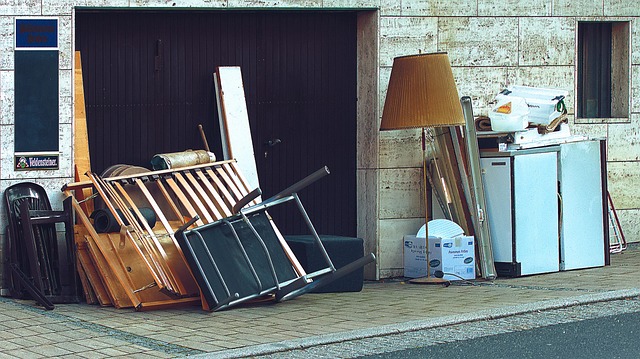
If a renter leaves things behind that they need to get rid of, the landlord can take reasonable fees off the rent. The charges must be broken down, and the notice must be sent by certified mail within 30 days. The lease might also cover charges that are related, like unpaid utilities.
There should be a separate line for each charge. For example, the cost of taking away the couch for $150 and doing extra cleaning for $75 are both listed separately. Clear notices help stop people from arguing about fines that don’t have much to do with the issue at hand, such as what Florida law says is the highest late fee.
A landlord in Fort Lauderdale once charged a disposal fee by sending a list of items that had been left behind along with dated pictures of them. This was in line with Florida law for getting back a security deposit.
Lease-Agreed Fees
It’s okay for some costs to be in the lease, but both parties have to agree to them ahead of time. These could be fees for breaking a contract early, fees for making changes without permission, or fixed amounts for certain problems.
You have 30 days to write down all of your deductions and send them in. You probably can’t deduct it if the lease doesn’t say anything about a fee. According to Florida Statute 413.08 and federal law, pet fees can’t apply to service animals or emotional support animals either.
Having the right lease paperwork and list of fees might help keep arguments from happening by making it clear what Florida law says about paying back a security deposit.
Restrictions on Security Deposit Deductions
You can’t deduct every cost. Even if the landlord is mad, they can’t take this out of the deposit.
Exclusions for Normal Wear and Tear
You can’t take off reasonable wear and tear according to state law. This includes things like faded paint, loose hardware, worn floors, and small nail holes. Cleaning and small repairs are part of regular maintenance.
You can’t deduct improvements because they aren’t damages. The landlord is responsible for small scratches and scuffs that happen in everyday life. These rules work, along with other rules, like those about late fees in Florida.
If you keep detailed move-in checklists and photo records, you’ll be able to tell the difference between damage caused by a renter and normal wear and tear.
Costs of Routine Maintenance
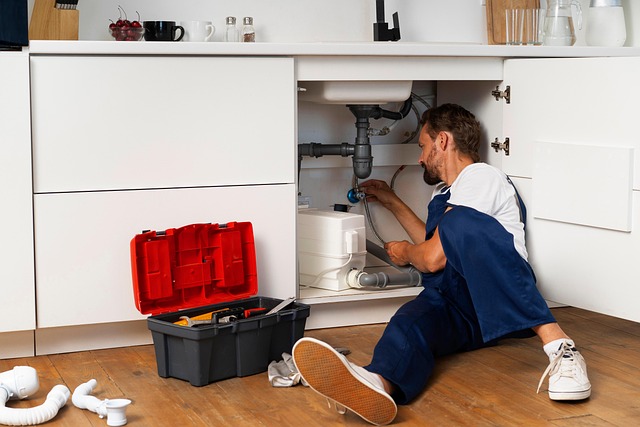
The owner is responsible for major routine maintenance like roof, structural elements, and exterior upkeep to comply with city code. while the tenant is generally responsible for minor upkeep but essentially the lease agreement should specify the rules upfront.
You can’t get a tax break for work that keeps problems from happening. Notices of deductions should make it clear what damage the renter did and what was normal upkeep. Charges might not hold up in court without that.
When you use the same checklist to look at a property, it’s easier to tell the difference between damage and maintenance.
Fixes for Pre-existing Damages
Landlords can’t charge tenants for problems that were there before they moved in. The tenant doesn’t have to pay for a carpet that has stains on it or a handle that is already broken.
Both sides can use photos and checklists when they move in. Tenants can take their landlord to small claims court if the landlord tries to make them pay for problems that happened in the past. Landlords can apply get deductions for damage that happened while the tenant was there.
Tenants should look at the papers they got when they moved in and when they moved out to back up their claims.
Rights of Tenants Concerning Security Deposits
Tenants have a lot of rights, but when they use them is very important. Disputes can be prevented by sending clear messages, keeping simple records, and following up in a calm way.
Requirement for a Written Notice of Deductions
If the landlord wants to keep any of the tenant’s deposit, the landlord must send the tenant a written notice with all the details within 30 days of the latter’s move-out date. It must be sent by certified mail. There should be an estimate or receipt for each charge, such as late rent, cleaning, or a repair.
If the landlord doesn’t send a notice on time, they can’t take money. If there are no deductions, the full deposit is due within 15 days. When they use certified mail, both sides have a clear record of what happened.
Options to Challenge Deductions
Tenants can fight a deduction from their security deposit in Florida. The process is quick and well-organized.
Tenants have 15 days from the day they get the notice to say they don’t agree with the charges in Section 83.49.
Tenants should send the landlord a letter and keep a copy.
Send in pictures, receipts, and notes about your move-in to help your case.

If you need to, go to your county’s small claims court.
Bring your lease, which should have any late fee clauses in it. Florida law lets courts ask what the highest late fee is.
You can get all or part of your money back from the judge. The court may also give costs or attorney’s fees at times.
Florida Legal Services and other groups that help people with legal issues in the area may be able to help.
The refund may take longer if there are still disagreements that need to be worked out.
It’s often easier to solve problems quickly when you share documents early and stay calm.
When a renter wants to fight deductions, having detailed records like photos and checklists makes their case stronger.
Strategies for Landlords to Prevent Disputes
Good systems beat memory every time. Simple tools can help keep small problems from becoming big fights.
Documenting Property Conditions
Checklists aren’t required for moving in, but they help keep both sides’ interests safe. Make short movies and clear photos. Make a note of how each room is. Keep everything that has a date on it.
These records help both sides agree on what happened during the lease. This proof is often used by judges when there is a disagreement.
Inspections at Move-In and Move-Out
Walk-throughs at the start and end of the lease show you what has changed and what hasn’t. Even though the law doesn’t require it, this is a good thing to do when managing property.
Tell the tenant to join. Use more than just a list; use pictures or videos as well. It’s easier to make and defend later deductions when records have dates on them.
Clear Communication About Deductions

From the start, make your goals clear. Your contract should say what kinds of deductions are okay, like late rent or extra cleaning. Give a short explanation of how and when you will send a full notice.
Always send a short, clear note for any deduction. This helps people trust each other, keeps things from getting too complicated, and makes sure that Florida’s tenant security deposit law is followed.
For example, a landlord in Fort Lauderdale used both digital timestamped photos and a detailed checklist to make things clearer when they checked on the property. This plan stops fights and is in line with Florida law for returning a security deposit.
Processes for Managing and Returning the Security Deposit
Keeping track of time and records is the most important part of the process. A short list might help you stay on track.
Timeline for Deposit Return in Florida
If there are no deductions, give back the full deposit within 15 days. If you want to deduct, send the written notice by certified mail within 30 days of moving out.
The tenant then has 15 days to fight the claims. You have 30 more days to pay off any money you still owe.
When people use checks or direct deposit, they all have a clear record. If you follow these steps and keep careful records, you will be able to meet Florida’s legal requirements for paying back a security deposit.
Legalities in Deposit Handling
Florida Statute 83.49 tells you how to hold deposits and how to let people know about them. Within 30 days of receiving the deposit, send a certified letter that tells the person where the money is kept, if it is in a separate or mixed account, and if it earns interest. Landlords could lose the right to deduct if the tenant doesn’t get this notice.
Tenants should not send return and claim letters by hand; they should send them by certified mail. Keep detailed records of all payments, photos, and notices. Good paperwork lowers the risk if a case goes to small claims court.
According to Florida law, you must pay back your security deposit. It helps you follow the law to write down the details in letters and keep the records clean.
Conclusion
The law in Florida about security deposits is meant to be fair. You can take off things like unpaid rent, damage that goes beyond normal use, and deep cleaning. Routine maintenance or damage that happened a long time ago shouldn’t affect the deposit. Keeping money in the right Florida account and sending certified, itemized notices keeps the process legal.
Having good records, pictures of the property before and after tenant moves in, and calm communication make it much easier to settle issues about security deposit. If you’re not sure what to do, talk to a lawyer or a housing agency in your area. This guide is not legal advice; it is just general information.
Disputes about Florida security deposit returns can be easy and stress-free with a simple plan.
Keeping a detailed checklist and clear records of communication is good for both tenants and landlords. Detailed records help make the process of returning a security deposit clear and in line with Florida law.
That being said, with all the possible legal loopholes in a security deposit, it is best to use a property management company such as our services at Guest Managers in Orlando. We take care of documentation, rental upkeep, rental collection and all tenant-facing scenarios to make your rental a truly trouble-free, stress-free passive income. Contact us today for your property care and maintenance.
Questions and Answers
1. What can a Florida landlord take out of a security deposit?
If the place is left dirty, the owner can take off costs for unpaid rent, damage that is worse than normal wear and tear, and cleaning fees. Fixing broken appliances or holes in walls also counts.
2. Can landlords keep part of the deposit for minor repairs?
Yes, but only if the repairs are more than normal wear and tear. If the tenant leaves scratches on your floors or stains on your carpets that aren’t from everyday life, tenants might lose money.
3. Can a landlord take money from my deposit to paint the walls again?
Tenants don’t have to pay for repainting if the paint has faded over time. They only have to pay if they painted without permission or made big marks that need extra work.
4. How can a landlord show what they took out of my security deposit?
The owner of the property must give the tenant a detailed list of each reason and amount taken out. This makes it clear what each deduction is for, so the tenant won’t be surprised when they get their balance back.
Tenants can fight deductions with clear evidence if they keep detailed and organised records, like photos and checklists. Thus, landlords should keep in mind proper documentation.