

A clear renewal agreement in Florida can be a huge weight off your mind, when a lease is about to expire. With a renewal, your rental property will be steady and both sides know exactly what they’re getting into, and can answer any pressing questions.
When considering the future of your rental, you may wonder whether to sign a lease renewal form or a Florida lease addendum. Well-known as the document that changes parts of a current lease, an addendum is best for renters who wish to stay in the same unit.
Floridian laws, in accordance with Florida statutes, set a period for written notice, being seven days for week-to-week, 15 days for month-to-month, thirty days for quarterly and sixty days for yearly.
This guide helps to walk you through the renewal process covering lease renewal, necessary inclusions, and works through notice.
Taking these steps will shield you from stressful last-minute situations, keep rent in line, and protect original lease terms, unless changed in writing, which you should also remember.
An Overview
Florida sets written notice rules as a way to govern periodic renter agreements,.
The notice period is seven days for week-to-week leases, 15 days for month-to-month leases, thirty days for quarterly leases, and sixty days for yearly leases. In case, tenants miss out, your tenancy may lapse into an unstructured new period, effectively setting rate and regulations in place without your consent.
Rent will be more flexible after re-signing, property managers might take note that if the expiration date approaches and still receives the rent, a lease could be viewed, under law, like a carryover with previous terms.
The law also allows Florida to continue most original lease conditions.
We see instances for written modifications as well, these might include adjustments in rent, changing the date of termination, or putting brand-new house rules.
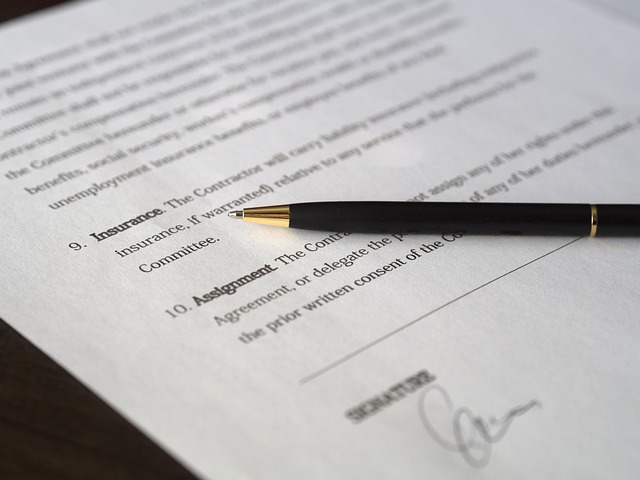
Florida laws require notice if you’re planning to change periodic tenancy rules, to finish it altogether, or updating written stipulations.
Digital solutions really streamline things, making email platforms a go-to option.
Once you review, and sign these papers online, the outlay in searching, screening, and re-renting is substantially reduced, or even eliminated, cutting down the amount of ads, work for the landlord, and stress for you.
The current rules remain in place until a brand new agreement is signed or a formal notice is given, when a tenancy in Florida comes up for renewal.
What is a Lease Renewal Agreement in Florida?
A well-structured renewal agreement needs to have clear terms, full contacts, and signed pages to avoid confusion and save time.
Identification of Parties and Property
When listing the parties and property, it’s crucial to include the full legal name and contact details for both the landlord and the tenant, making sure to use the exact same spellings as the original lease.
The property’s street address, along with the unit number if it exists, also goes in this area and the updated document is usually hooked up to the original lease in the owner’s files, and sent back to the tenant by email or regular post, just as they were used before.
A clear identification of parties, especially works well in settling disputes later, such as if a tenant overstays, or you have to file for eviction.
New Terms and Effective Dates

The renewal document needs to state the exact rent increase, with clear and plain numbers, the date of which the new rent is due, and new start and end dates. For month-to-month renewals, this should be said so and the time period that it renews every time is also named.
You can update the security deposits, ways of paying and put in new house rules like quiet hours or parking limits. If last month’s rent was pre-paid, you’ll need to note how you’ll manage that in the new contract.
Managers use lots of different tools, such as shared folders or Google Workspace, to keep communication with tenants and residents in check, while apps or email signatures make the whole process faster.
Incorporation of Original Lease Terms
Mostly, the unchanged parts of the original contract will remain in place, unless you write otherwise, and you can add a clause saying that all the unaltered terms will continue to apply in full force. Be sure to refer to the original document, dated March 2018, which is attached to this renewal, when you’re renewing your lease.
All changes in the renewal such as rent, dates and new regulations are listed, much like what the Florida’s Department of Management Services does in its contracts to make the language clear. If your rental is part of a government-run, or rent-controlled program check out the rules that apply.
Well-known problems in contracts can be averted with a brief check by a Florida attorney, so if your situation is somewhat complicated you might want to do that.
Signatures of All Parties
Both the landlord and tenant need to sign the renewal agreement or addendum and in Florida, electronic signatures are accepted. We would recommend setting the date right next to each of the signatures, and an unsigned agreement won’t be very effective.
Sharing a final, signed copy with all parties is advisable, but isn’t required to be witnessed or notarized by law, some people still use one for added proof.

Notice Requirements for Lease Renewal in Florida
Florida has quite specific notice periods for lease renewals, and if the notice is late, the lease will just roll over and any changes won’t be put into place. Coming from the opposite end, property managers usually start talking about renewals 90 days ahead of time.
- 1. For week-to-week rentals, you need at least seven days of written notice,
- 2. month-to-month rentals require fifteen days advanced notice
- 3. quarterly rentals require 30 days notics, and
- 4. annual rentals require sixty days.
Written notice is always the best idea, and makes it clear when plans change, but different cases like military orders and domestic violence situations may affect the timing or your right to leave a lease.
Conclusion
When it comes to renewing a lease in Florida, it’s best to have a clear and well-written document that is laid out for both parties, including the dates, rent, and duties, and is followed by a notice window so you avoid missed deadlines, forced rollovers, and expensive penalties. This is why property managers play a significant role as they coordinate between tenants and landlords and prepare the document ahead of time.
This article, while not a legal advice and may not cover the law up-to-date, or be relevant to every single lease agreement, can be seen as a general guideline.
To make it even easier and trouble-free for the rental property owner, count on Guest Managers to handle all the paperwork and legal documentation plus over-all maintenance and tenant facing duties.
Having a property management company can shield you and your property from a dispute or a tricky tenancy that can cause legal problems down the road. Contact Guest Managers today for a free consultation and rental evaluation.
FAQs
1. What is a lease renewal agreement in Florida, and does it involve the practice of law?
A lease renewal agreement in Florida lets tenants and landlords extend their rental contract for another term. Drafting or reviewing this document can touch on the practice of law if legal advice is given.
2. Can anyone prepare a lease renewal agreement in Florida without practicing law?
Yes, people can fill out standard forms themselves. But giving specific legal advice about rights or obligations under the agreement may cross into the practice of law.
3. Why should I care about the practice of law when signing a lease renewal agreement in Florida?
If someone who is not licensed gives you legal guidance during your lease renewal process, they might be engaging in unauthorized practice of law; this could put your interests at risk.
4. When do I need to consult an attorney for my lease renewal agreement in Florida?
You should contact an attorney if you have questions that go beyond basic form completion; especially if you face disputes or need help understanding complex terms related to the practice of law.