

Many tenants and landlords worry about security deposit fights after a lease ends. Tenants fear unfair deductions for normal wear and tear. Landlords want to protect property, and follow Florida Landlord-tenant Law.
These disputes often start with loose rules about wear and tear, damage, and cleaning.
Florida law, in Chapter 83, section 83.49, requires landlords to keep security deposits in separate accounts and to notify tenants in writing within 30 days if they plan to make deductions.
This post will explain what counts as normal wear and tear, what counts as damage, and what deductions a landlord can make from a security deposit under Florida law. You will learn how to document problems, follow a lease agreement, and resolve disputes.
Key Takeaways
- Florida Statute Chapter 83, Section 83.49 requires landlords to hold security deposits in separate accounts or a surety bond and disclose this within 30 days.
- Landlords may deduct unpaid rent, tenant-caused damage, and cleaning beyond normal wear and tear from security deposits.
- Tenants must receive written notice of deposit claims by certified mail and have 15 days to dispute the deductions.
- If landlords return the full deposit, they must do so within 15 days after lease termination; failure to follow rules risks forfeiting retention.
Overview of Florida Landlord-Tenant Law on Security Deposits
Florida Statutes Chapter 83, Section 83.49 governs security deposits for lease agreements. Landlords must store the deposit in a bank account, or post a surety bond. A written disclosure about how the deposit is held must go to the tenant within 30 days.
Owners may choose an interest-bearing or a non-interest-bearing account.
Landlords must return earned interest each year, unless the tenant wrongfully ends the lease.
Any earned interest must return to the tenant annually, or at the end of the lease, unless the tenant wrongfully terminates the lease. Deductions can cover unpaid rent, or material damage to the property, but not normal wear and tear.
Written notice must inform tenants if the landlord intends to keep any portion of the deposit.
Defining “Normal Wear and Tear”
Normal wear and tear refers to the gradual deterioration of a rental property due to regular use, rather than damage caused by a tenant. Florida law lets landlords withhold part of the security deposit for damage beyond normal wear and tear, so landlords and tenants must read the lease and follow state rules.
Examples of Normal Wear and Tear
This list gives clear examples of normal wear and tear. Use these points for condition checks, maintenance planning, and fair security deposit decisions.

- Sunlight causes minor paint fading or hairline cracking on walls, this deterioration from aging and exposure does not justify deposit deductions in most Florida cases.
- Small nail holes from pictures, and tiny wall scuffs near light switches, reflect normal habitation usage and do not count as damage for deposit withholding.
- Carpet shows slight wear in high-traffic areas and gentle fading, this depreciation and maintenance need stems from regular usage, not tenant negligence.
- Loose cabinet handles or knobs that loosen from regular use qualify as wear and tear, landlords should address stability and maintenance without charging the tenant.
- Slightly dirty grout in bathrooms and kitchens, with mild staining from regular use, counts as conservation and normal depreciation, not a deductible repair.
- Hardwood floors with minor scuffs or small dents from furniture reflect expected aging and usage, landlords should plan upkeep, not withhold security funds.
- Appliances that show normal signs of wear after several years of use, such as faded controls or light wear, represent functional depreciation, not tenant-caused damage.
Landlord Responsibilities for Wear and Tear
After listing examples of normal wear and tear, landlords must handle the fallout with clear steps. Landlords are responsible for costs tied to normal wear and tear and may not deduct these from the security deposit, under Florida law.
They must keep security deposits in a separate account, and they must notify tenants in writing within 30 days of moving out about any claims. Notification of deductions must go by certified mail to the tenant’s last known address, or to the property address if no forwarding address exists, and the landlord must state specific reasons and amounts.
Failure to provide proper documentation may cost the landlord the right to retain any part of the deposit, and if the landlord returns the full security deposit, they must do so within 15 days after lease termination.
Tenant-Caused Property Damage
Tenant-caused damage goes beyond normal wear and tear and can lead to security deposit deductions. Landlords must document damage, and tenants must repair or pay under the lease agreement.
Common Examples of Damage Beyond Normal Wear and Tear
Florida law limits security deposit deductions to damage beyond normal wear and tear. Landlords may charge tenants for avoidable harm to the rental property.
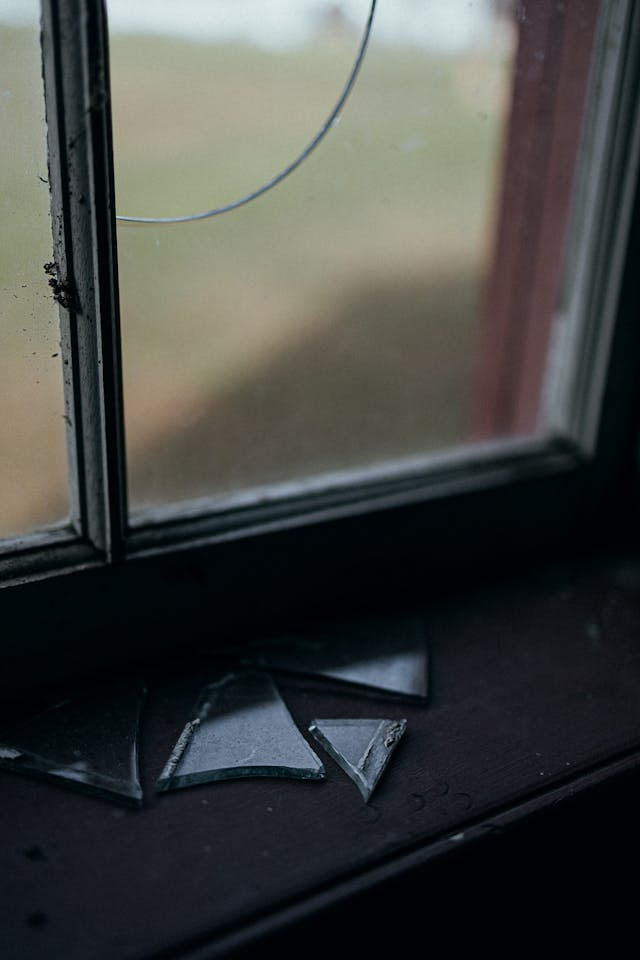
- Large holes, deep gouges, and crayon marks on walls count as property damage and justify repair costs; lease agreement may assign tenant liability for repainting and wall repair in a damage assessment.
- Broken windows, shattered mirrors, and missing fixtures create safety and value issues; landlords can deduct replacement and repair expenses from the security deposit under Florida law.
- Significant carpet stains, burns, or permanent flooring damage exceed normal wear and tear; landlords may charge for full carpet replacement or floor repairs after a documented damage assessment.
- Broken appliances from misuse, like an overloaded washer, fall under tenant-caused property damage; lease agreement and maintenance responsibility clauses support deductions for repair or replacement.
- Clogged drains caused by negligence, such as flushing grease or hair build-up, qualify as damage claims; landlords may bill tenants for plumber fees and cleanup costs.
- Pet urine stains, odors, and damage to flooring or walls create durable harm; landlords may deduct cleaning, deodorizing, and replacement costs under tenant liability rules.
- Excessive grease buildup, piles of uncollected trash, or severe filth that harms finishes or systems count as property damage; landlords can charge for deep cleaning, repair work, and related repair costs.
Tenant Responsibility for Repairs
After listing common damage examples, the text moves to who must pay for repairs. Tenants hold liability for repairs that result from negligence, carelessness, or intentional abuse.

Landlords cover normal wear and tear, tenants do not. Leases often spell out maintenance duties and repair expectations.
If a tenant disputes deductions, they must send a written dispute within 15 days of the landlord’s notice, and send it by certified mail for proof. Tenants can file a case in small claims court if talks fail.
Seek legal advice for disputes over large sums. Good move-in and move-out documentation, plus photos and inspection reports, help avoid responsibility for pre-existing damage.
Security Deposit Deductions Under Florida Law
Florida law limits security deposit deductions to unpaid rent, repairs for tenant-caused damage, and cleaning beyond normal wear and tear. Landlords must document damage, send itemized deductions, and return the remaining deposit within the required time.
Allowable Deductions for Damages
Landlords may deduct from security deposits for tenant-caused damage and unpaid obligations.
| Allowable Deduction | Summary | Examples / Notes |
| Large carpet or flooring stains | Deductable when stains exceed normal wear and tear. | Wine spills, bleach spots, permanent discoloration, major burns. |
| Burns on flooring | Landlord may repair or replace it and charge the tenant. | Cigarette burns, grill burns, and scorch marks requiring replacement. |
| Broken appliances from misuse | Replace or repair costs may come from the deposit. | Washer ruined by foreign objects, and the oven was damaged from improper use. |
| Clogged drains from negligence | Repairs are chargeable if the tenant caused the clog. | Hair and grease blockages due to tenant carelessness. |
| Significant holes in walls | Large holes are not normal wear; costs are deductible. | Holes from anchors, doors punched through drywall. |
| Pet urine stains and damage | Replacement of flooring or deep cleaning is charged to the tenant. | Urine odor remediation, warped baseboards, stained carpets. |
| Unpaid rent from lease breach | Landlords may retain the deposit to cover owed rent. | Early lease termination without landlord consent. |
| Material tenant-caused damage | Deposit can cover repair or replacement costs. | Broken windows, structural damage from misuse. |
| Cleaning beyond normal wear and tear | Cleaning fees are allowed only when the condition exceeds normal use. | Heavy stains, grease buildup, and biohazard-level messes. |
| Unpaid utility bills | Deductible if the lease assigns utilities to the tenant. | Electric, gas, and water bills left unpaid per lease terms. |

Non-Deductible Items
Florida law limits security deposit deductions for normal wear and tear.
| Non-Deductible Item | Why Not Deductible | Examples |
| Minor paint fading or cracking | Occurs from sunlight over time, normal aging of surfaces. | Sun-exposed walls with lighter color, hairline cracks from UV. |
| Small nail holes | Result from hanging pictures, small and repairable without heavy cost. | Tiny wall pinholes left after framed photos or art removal. |
| Slightly worn carpet in high-traffic areas | Reflects ordinary foot traffic, not misuse or neglect. | Faded pile near entryways, gentle matting by sofa legs. |
| Loose handles or knobs | Occur from regular use, repair is simple and routine. | Kitchen cabinet pulls that loosen over years of use. |
| Slightly dirty grout | Builds up from normal cleaning cycles, not damage. | Light discoloration in shower seams and tile joints. |
| Walls with faded paint, minor scuffs, small nail holes | Show normal occupant wear, typical between tenancies. | Scuffs near baseboards, paint dulling over time, tiny pin marks. |
| Floors with gentle wear | Develop from ordinary use, not from abuse or neglect. | Carpet fading, minor furniture dents, light hardwood scuffs. |
| Appliances with normal wear | Wear appears after years of proper use, as expected for its lifespan. | Oven with faded finish, fridge seals that lose elasticity over time. |
Resolving Security Deposit Disputes
Act fast after you get a security deposit notice. Florida law gives tenants 15 days to dispute deductions.
- Send a written dispute to the landlord via certified mail, keep the receipt, use the record to support claims in court or in settlement talks; this step helps tenants prove timely action on security issues.
- If the landlord fails to follow proper documentation procedures, they may forfeit the right to retain any part of the deposit, so gather move-in photos, receipts, and inspection reports to back your position.
- Consider filing a small claims court case if you cannot reach an agreement, limit claims to the court’s monetary cap, and note that Judges often weigh documentation heavily in dispute resolution.
- Consult a Florida eviction attorney for guidance on complex disputes; Brian Chase handles landlord-tenant disputes, including eviction and security deposit issues, across all Florida jurisdictions.
- Landlords may seek help too; Atlas Law offers flat fee eviction services, with weekly progress updates at no charge, which can streamline handling of security and eviction matters.
- Property managers can greatly help for matters focused on residential security deposits, his real estate experience can help clarify allowable deductions and tenant responsibilities.
- Keep all correspondence, list deductions clearly, and avoid informal deals without paperwork, this reduces Disputes, supports claims, and speeds resolution in Court or via settlement.
Conclusion
This article covered Florida Landlord-tenant Law on security deposit rules and normal wear and tear.
Landlords and tenants can use simple steps to document the property’s condition, follow the lease agreement, and meet notice deadlines.
Will you take photos at move-in and move-out, keep receipts, and read your lease carefully? Proper documentation and fair deductions can save money, avoid disputes, and speed deposit returns.
Check Florida Statute Chapter 83, Section 83.49, visit legal aid sites, or contact a local attorney for help. I have seen clear records settle claims fast, so act now to protect your security deposit and your rights.
This is where property managers can help with preventing disputes and handling them. In Orlando, Guest Managers can help landlords prepare the documents that will determine whether the charges are against the security deposit.
Guest Managers can attend to this move-in, move-out documentation, run these by the tenant prior to move-in, and make any deductible claims a no-contest. This process will save you, the landlord/rental owner, a huge and possibly lingering dispute. Contact Guest Managers today to help you manage your rental seamlessly, making your rental properties highly profitable and your rental income, passive,
FAQs
1. What counts as normal wear and tear under Florida landlord-tenant law?
Normal wear and tear is the light decline that comes with regular use. Examples include faded paint, small holes in walls, worn flooring, and minor surface marks. These items do not justify security deposit deductions.
2. Can a landlord use the security deposit for normal wear and tear?
No, a landlord may not charge a renter for normal wear and tear. They can only deduct for damage that goes beyond normal use. Florida landlord-tenant law also requires landlords to follow rules for notice and claims on deposits.
3. How should a renter document the unit to protect the security deposit?
Make a move-in checklist, take clear photos, note dates, and give a copy to the landlord. Keep your own copies, they help prove the condition when you move out.
4. What can a renter do if a landlord charges for normal wear and tear?
Ask for an itemized list and receipts, talk to the landlord, and keep all proof. If you cannot agree, you can dispute the charge under Florida landlord-tenant law, and seek a hearing or file in small claims court.