
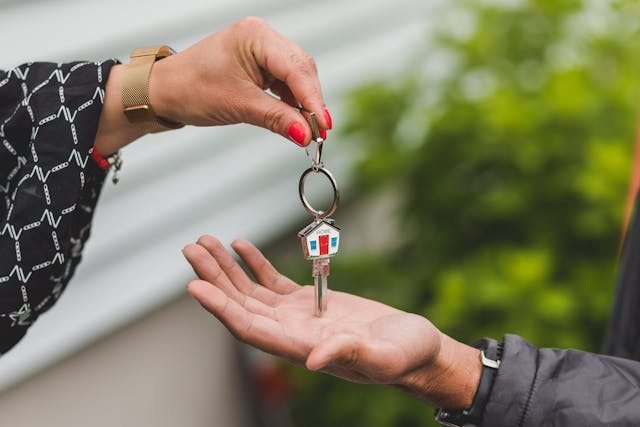
You want to know how to become a landlord in Florida because you want rental income, but you do not know the steps to take. For example, Florida law says landlords must tell tenants in writing, within 30 days, where they hold any security deposit.
This introduction will show simple steps for becoming a landlord in Florida, from market research and lease agreement basics to property management, rental property tools, and Section 8 rules.
Read on.
Key Takeaways
- Landlords must notify tenants in writing within 30 days where security deposits are held and return deposits within 15 to 30 days (Fla. Stat. 83.49).
- Owners must pay tenants 75% of interest or 5% simple interest yearly, with no state cap; landlords owning more than five units must give receipts.
- Landlords must give at least 24-hour notice before entering and limit entries to 7:30 a.m.–8:00 p.m., except in emergencies (Fla. Stat. 83.53(2)).
- Follow Florida Statutes chapter 83, the Fair Housing Act, ADA, and HB 1417; comply with local rental licenses, inspections, and Section 8 timelines; AffordableHousing.com.
Basics of Being a Landlord in Florida
Know Florida landlord-tenant laws, security deposit rules, and fair housing standards, and call an attorney when unsure. Run tenant screening, estimate net operating income, check housing choice voucher program eligibility, and buy a solid insurance policy.
What Defines a Landlord?
A landlord must keep rental units safe and meet building and health codes, per Florida statutes and the Residential Landlord and Tenant Act. The owner must keep the property habitable, under the implied warranty of habitability, or tenants can break leases without penalty.
Owners must follow Florida landlord-tenant laws on security deposits, evictions, and tenant screening, and follow fair housing rules when choosing renters. Use a real estate attorney, consult the Orlando Housing Authority for the housing choice voucher program, and learn how to be a successful landlord through proper documentation and routine maintenance.
Licensing Requirements for Florida Landlords
After defining who counts as a landlord, check local licensing rules next. Verify local requirements, like rental licenses or property inspections, before you rent.
Some counties and municipalities, including Miami, Tampa, and Deland, FL, require rental licenses before listing your unit. You must comply with local ordinances, housing quality standards, and any inspection rules tied to housing assistance payment programs.
Use a clear property listing form and submit a request for tenancy approval when needed; follow affordablehousing.com rules if you list there, and attend a new landlord briefing if your county offers one.
Know state and federal laws too, such as the Fair Housing Act, fair housing laws, Americans with Disabilities Act, Fair Credit Reporting Act, Servicemembers Civil Relief Act, and HB 1417, since they affect screening, evictions, and tenant rights.
Check property taxes, eviction laws, and community services.
Analyzing the Florida Rental Market
Check local rental market data, track cap rate, and review RFTA reports. Use rent estimate tools and rental sites, contact Guest Managers for local insight.
Assess Rental Demand and Price Trends
Use local data to gauge demand in your neighborhood, city, and county. Compare median rent to median household income, to set a price that tenants can afford, and to spot gaps in the rental market.
The RFTA, cap rate, and our ROI calculator can help you measure returns and risk. Florida law generally bans rent control, except in Miami-Dade County and West Palm Beach, so price strategy must reflect those limits.
Pull listings from Zillow, Rentometer, and other online rental platforms to track price trends and vacancy rates. Calculate a simple cap rate, subtracting expected costs from gross rent, to judge profitability.
Local median income figures, and the rental market mix, will shape realistic rent targets.
Calculate Potential Revenue and Costs
Estimate your gross rent by checking similar listings and market data, then list operating expenses, such as Florida property taxes, insurance, routine maintenance, HOA dues, and utilities.
Add a vacancy buffer and set aside funds for repairs so you do not overestimate income.
Subtract total expenses from gross rent to get net operating income, NOI. Divide NOI by the property purchase price to find the cap rate and test investment viability. Use an ROI calculator or rental app, like TurboTool, to model cash flow and confirm your minimum return needs.
Related read: How To Know If A Real Estate Investment Is Good
Navigating Florida Landlord-Tenant Laws
Check Florida statutes for rules on deposits, notices, and evictions. Use an online tenant screening platform and a management app to run online portals, background checks, and lease agreement templates.
Regulations on Security Deposits
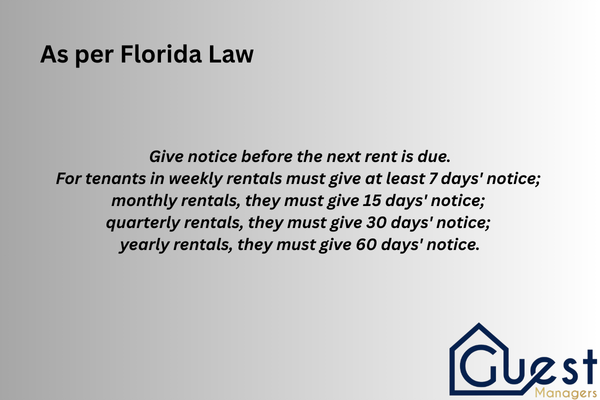
Florida law requires landlords to notify tenants in writing within 30 days after receiving a security deposit. Landlords must keep deposits in a separate, usually interest-bearing account, under Fla.Stat. 83.49. The state sets no cap on deposit amounts, and landlords who own more than five units must give a receipt.
If owners place deposits in interest accounts, they must pay tenants either 75% of the annualized interest, or 5% simple interest per year. Owners must return deposits within 15 to 30 days after lease termination, and mismanagement can lead to forfeiture and penalties.
Use an online property management platform to log receipts, written notices, and account records.
Protocols for Lease Termination
Landlords must follow set notice periods and steps to end a lease, and state law guides each move. Provide required notices; send a Notice to Pay or Quit or a Notice to Cure or Quit for late rent or lease breaches, then file for eviction if the tenant does not comply.
Allow tenants to break a lease without penalty for military duty, domestic violence, or when the unit becomes uninhabitable.
Give at least 24 hours’ notice before entering a rented unit, and limit entries to 7:30 a.m. to 8:00 p.m., per Fla. Stat. 83.53(2). Skip notice only in emergencies, act fast for repairs, and document each step, using tools like property management software and an online tenant portal, to support filings and court evidence.
Prepare Your Property for Tenants
Address hazards, test smoke detectors, and install keyless locks. Record repairs in property management software, such as a tenant management platform.
Perform Repairs and Regular Maintenance
Keep rental units in a habitable condition, as Florida law requires. Make timely repairs to avoid tenant lawsuits or government action. Offer a clear repair process, and let tenants file maintenance requests via laptop or mobile app.
The tenant portal feature cuts down late-night calls and message clutter and links each issue to the right tenant and rental unit for easy tracking.
Schedule routine checks, and log work orders after each visit. Use Maintenance Plus to connect with vetted professionals for faster, quality repairs. Track costs and dates in a central tool, so you can show compliance if needed.
Act fast on safety or health problems to protect tenants and your investment.
Compliance with Safety and Health Regulations
After repairs, run an inspection list to confirm safety and health standards.
Landlords must meet local housing, building, and health codes and file permits with the building department as needed. Plumbing, electrical, and heating systems must work and be safe to use.
Related read: Florida Rental Health Codes
Fix problems fast to avoid code enforcement or tenant legal action. Use tools like property management software to track repairs, store inspection photos, and keep records.
Marketing Strategies for Your Rental Property
Post your listing to MLS, major listing sites, and social media, and use a rental analytics tool to set rent. Use tenant screening software and online rental platforms to speed leasing and track leads.
Listing Your Property on Digital Platforms
Use property management software to create one listing quickly. That service lets you broadcast that listing to multiple rental portals at once. The platform links to major rental sites, so you reach more applicants fast.
The platform funnels all inquiries into one easy-to-sort inbox. You can screen leads, set showings, and track applicants in a single spot. This setup saves time, and keeps records organized.
Emphasizing Attractive Property Features

Start by highlighting curb appeal, fresh paint, trimmed lawn, and staged entryways. Property management software can showcase photos, floor plans, and amenity lists, to make listings stand out.
AI-powered listing tools write clear, attractive descriptions and suggest keywords that match local searches.
Landlords can use rental platforms and other services to push listings to major sites, collect applications, and track leads. Smart photos, virtual tours, and clear utility info help renters decide fast.
Tenant Screening and Selection
Run a credit check and a background check. Use an online screening tool or a credit bureau report, and try a tenant screening service to speed the process.
Execute Background and Credit Checks
Use a tenant screening platform to pull detailed reports. The service checks criminal records, eviction history, credit scores, and outstanding debts. You can require applicants to pay the screening fee directly via the platform.
Add a credit report to the file, and note any past evictions. Also log criminal record details and debt balances, to support your tenant choice.
Confirm References and Employment Status
Digital applications gather crucial applicant information, including employment and rental history. They let you check references fast. A tenant screening platform offers income verification for an additional fee to confirm employment status.
Call or email listed employers and former landlords, ask dates, duties, and payment history. Run background checks and credit checks for extra context. Verify income proof before you set lease terms, then move to creating compliant lease agreements.
Creating Compliant Lease Agreements
Draft a clear lease that states rent, term, repairs, disclosures, and fair housing rules. Use a property management app and a digital signature to create and sign compliant forms fast.
Define Clear Lease Terms and Conditions
List lease length, rent amount, due date, late fees, pet rules, utilities, and entry notice. Use legally reviewed lease templates from the platform to set clear, enforceable terms.
The e-signature functionality ensures all agreements execute and store properly.
Include repair, deposit, and notice rules, specify maintenance duties, and state inspection rights. The platform helps with templates and digital signing, it saves time and creates accurate records.
Detail Obligations of Tenants and Landlord
After you set clear lease terms and conditions, list the duties each side must follow. Lease agreements should clearly outline the obligations of both tenants and landlords to reduce disputes, and they must state rules on repairs, rent, and deposits.
Landlords can use lease templates and a rental management platform, such as an online rental management service, to make customizable lease templates that fit one property or many.
Tenants must pay rent on time, keep the unit clean, and report damage; landlords must make repairs, keep the unit safe, and return security deposits per law.
Effective Tenant and Property Management
Stay on top of rent collection, maintenance, and property inspections, use property management software and a rental portal to streamline work. Try a rental management platform to post listings, collect payments, and track repair requests.
Respond to Maintenance Issues in a Timely Manner
Reply fast to repair requests. Tenants use the online portal to submit maintenance requests, which speeds response times. The system logs each ticket, and it links the issue to a tenant and unit.
Set a 24 to 48 hour target for first replies, track progress in the service log, and assign vendors quickly. Automated maintenance tracking ties work orders to unit numbers, so you see who reported what and when.
Use the platform to keep clear records and show proof of action.
Schedule Regular Property Reviews
Set a review schedule, monthly or quarterly, to inspect units and common areas. Use an inspection checklist, note wear, and log issues. This helps maintain property condition, and it identifies issues early, which cuts the risk of costly repairs and tenant disputes.
Upload reports to property management software, for clear records and easy follow up. Share findings with tenants, schedule repairs, and keep proof that you met local housing codes.
Apply property management tools to track inspections, and to remind you when the next review is due.
The Role of Property Managers for Rental Properties
Property managers run tenant screening, collect rent, and handle repairs with property management software and credit checks. They list units on rental platforms like Zillow or Apartments.com, keep lease terms clear, and use accounting tools to track income.
Ensure Rental Property Laws Compliance

Landlord hires a manager to follow statutes, local ordinances, and federal rental housing laws, including the Fair Housing Act and HUD standards. The manager tracks compliance with Florida Statutes chapter 83, files required notices on time, and keeps lease and eviction paperwork in order.
Managers handle security deposit rules, they record receipts and return timelines, and they prepare legal documentation for disputes. Owners may use property management software or similar tools to log deposits, send notices, and store signed leases.
Advertising and Responding to Inquiries
Use online listings, rental sites, and social posts to show your units. Property managers use digital tools to market properties, and they answer inquiries fast, with templates and auto-responders.
An AI-powered platform can boost exposure, sort applicants, and speed the screening steps. A centralized dashboard keeps messages, applications, and showing requests in one place.
Staff check messages promptly, and they set clear response times for leads. The portal lets applicants book tours, upload IDs, and submit forms, which streamlines the application process.
Tenant Screening
After handling inquiries and ads, screen applicants carefully. Property managers conduct thorough tenant screenings, they run background checks, credit checks, employment verification, and analyze rental history.
Run background and credit checks through credit reporting agencies and tenant screening platforms, check past landlords and verify income. Have clear consent forms, follow fair housing rules, and keep records for each applicant.
Move in Move out

Property managers run move-in and move-out tasks, they handle inspections, key exchanges, and security deposit management. They use property management software, a lease agreement form, and listing tools like online listing platforms to track dates and records.
Staff complete a detailed entry report, note damages, and log a security deposit ledger. The team then hands over keys, files the final inspection, and schedules repairs and upkeep to follow.
Property Maintenance and Repairs Handling
Managers log maintenance requests, assign tasks, and schedule repairs fast. Using their property management platform, they track request status and set clear priorities.
They hire vetted repair specialists to handle work, and they check credentials before jobs start. Staff follow safety standards, and they document inspections to prove compliance.
Consistent Rent Collection
After handling repairs and upkeep, set up steady rent collection. A management platform simplifies online rent collection, and it applies late fees. Tenants can set up autopay, so landlords get on-time funds.
Landlords receive automatic reminders and payment tracking in real time.
Use a payment gateway or rent payment platform to accept cards and bank transfers. The ledger updates instantly, you can run reports for income and expenses. Staff stay focused on tenant issues, not chasing late rent.
Conclusion
You can start as a landlord in Florida with clear steps. You must learn landlord-tenant law, follow the Fair Housing Act and Americans with Disabilities Act. Study market trends, job growth, and local rental affordability.
Use a leasing app to manage listings, payments, and screening. List on AffordableHousing.com to accept Section 8, meet inspection timelines. Keep security deposit rules, entry notice times, and rent rules in mind. Strong screening, clear leases, and quick maintenance protect your income.
While these may sound all overwhelming, you can simplify things by hiring a property management company.
To make it a truly profitable, worry-free way of making passive income, hire a property manager like Guest Managers to do all of the work for you. Yes, there are property manager’s fees, but if property managers can boost your occupancy rate, lower the vacancy rate, give you peace of mind on rental laws compliance, plus allow you to free your time for other things, then the property manager’s fees are more than your money’s worth.
Guest Managers can even get you started as a landlord if you want to buy rental property as our team is also composed of licensed real estate agents. Contact Guest Managers today and start having a profitable and truly passive income.
FAQs
1. How do I start as a landlord in Florida?
Buy or use a property; learn local rules; get required permits; set rent; write a clear contract; plan for repairs.
2. What legal steps do I need in Florida?
Learn Florida landlord laws, follow rules on deposits, use a written contract, know the eviction process, get owner insurance, keep records.
3. How do I find and screen renters?
Post ads online, use TurboTenant to collect applications and screen renters, check income and references, verify ID, sign the contract.
4. How do I manage a rental well day to day?
Collect rent on time, set a system for repairs, answer tenant inquiries fast, keep clear records, hire a manager if you have many units.