
You want to buy a condo in Florida and rent it out, but you worry about rules, big fees, and low rental income. Many buyers face HOA limits, high condo insurance, and surprise special assessments, and that makes the math hard.
You may also wonder whether short-term rentals on Airbnb.com or VRBO.com are allowed or whether a property manager can help.
One fact to know is a condo questionnaire can push down payment needs to 30% for an investment property. This guide will explain HOA rental restrictions, condo insurance costs, lease agreements, and how to pick markets like Orlando, South Florida, Naples, or Fort Lauderdale.
You will learn how to run numbers, choose short-term or long-term rentals, and find a good property manager. Read on.
Key Takeaways
- Condo HOAs can require 1–2 years’ ownership, minimum 30‑day leases, and cap or ban short-term rentals under FL §718.110(13), limiting Airbnb use.
- Lenders typically require 20–25% down, and a failed condo questionnaire can raise down payment to 30% or force cash-only deals.
- Insurance and assessments: condo insurance $1,400 average, landlord $2,860, hurricane/flood premiums $5,000–$7,000, assessments can exceed $100,000.
- Expect low rent-to-price near 0.65%, peak season Oct–Mar, and factor property management fees when modeling cash flow.
Why Buy a Condo in Florida for Rental Income?
Florida draws renters year-round, with tourists and snowbirds heading to Naples and Central Florida. Smart real estate investors use condotels, property management, and Facebook ads to turn a condo into steady rental income.
High demand for vacation rentals
Tourists and new residents drive strong demand for vacation rentals. The high-demand season runs from October to March, and that boosts seasonal rentals and short term bookings. Many condo owners rent out units in Naples, Florida, and other hotspots to cash in.
A real estate investor will weigh the low 0.65% rent-to-price ratio against higher occupancy and property management fees.
Condo associations and condo hotels set rules that affect tenants and the rental property market. Good property management can raise returns, even with tight rent-to-price numbers.
Desirable locations and tourism appeal
Florida condo amenities like pools, parks, and parking garages draw vacation renters. Many units sit in areas zoned for short-term stays, so demand stays high in peak months. Seniors and empty-nesters like the low-maintenance life, which helps attract longer bookings.

Condotels and vacation specific zones cater to guests who want hotel-style service and easy access to beaches and attractions.
Choose a spot with the right mix of rules and appeal.
Renting a condo can beat single family homes for upkeep and guest appeal. Homeowner’s association rules and property taxes can change your net income fast. Real estate investment plans should compare multi-family investing, single family homes, and condo cash flow.
Study local demand, and check HOA rental restrictions before you buy.
Key Factors to Consider Before Buying a Condo
Check the homeowners’ association rules, and ask the bank about financing terms and investment loan limits. Run numbers with a cash-flow calculator, factor in insurance costs, and pick a short-term platform or local property manager.
HOA rental restrictions
Many condo associations limit leasing, and they often require owners to hold a unit for 1 to 2 years before renting it out. Rules commonly force minimum lease terms of 30 days, and some developments cap rental lengths at 3 to 6 months, which blocks short stays.
Some buildings cap the total number of rented units in the complex, and other communities only allow rentals to immediate family members. Boards often require owners to file rental forms, and they make tenants follow the association rules.
Insurance premiums and special assessments
Florida condo insurance costs run high. Owners often pay $5,000 to $7,000 or more each year for full coverage, due to hurricane and flood risk. Average landlord insurance sits near $2,860 per year, while average condo coverage costs about $1,400 annually.
Associations may carry a master policy, yet the unit owner still needs proper condo insurance to cover interiors and personal liability. Insurance agents, insurance carrier teams, mortgage lender offices, FEMA flood maps, and wind mitigation inspections all play roles in getting the right policy.
Special assessments can hit hard, sometimes topping $100,000 for structural repairs or shifts in insurance bills after new laws. HOAs can levy large fees to meet repair mandates, and that can spoil profit margins.
Landlord policies should cover liability, disasters, and theft, and owners should check gaps in the association master policy. Talk to an insurance agent, review the association minutes, and run numbers before you buy.
Financing requirements for investment properties
Lenders usually require a 20%–25% down payment for investment properties. A failed condo questionnaire can push that to 25% for owner occupants, and 30% for vacation or investment units.
Many condo developments in Florida may struggle to pass the two-page questionnaire. The form checks the condo association, building finances, delinquency rates, foreclosures, and the ratio of rental units.
Lenders treat non-warrantable condos, such as those with high transient use or structural issues, as higher risk.
Mortgage lenders use the questionnaire to set loan terms and risk profiles. Some condos end up only eligible for higher down payment loans, or for cash purchases. A bank, loan officer, or Fannie Mae underwriter may mark a building non-warrantable, due to high rentals or poor reserve funds.
Buyers should plan for larger cash reserves, expect stricter rules, and talk to the condo association and mortgage lender early.
Rental Strategies for Florida Condos
Pick a short-term platform or a long-term lease, and track occupancy rate and ROI. Hire a local management firm, and set a clear rental agreement and insurance plan.
Short-term rentals versus long-term leases
Here is a brief look at short-term rentals versus long-term leases for Florida condos.
| Aspect | Short-Term Rentals | Long-Term Leases |
|---|---|---|
| Typical settings | Condotels and vacation rental zones allow daily stays. — Short-term platform listings drive tourist bookings. — Owners may need a condo license, renewed yearly, costing several hundred dollars. | Most residential condos that permit rentals allow monthly leases. — Many associations set minimum stays of 30 days or more. — Some developments limit rentals to 3 to 6 months, blocking daily rentals. |
| Rules and approvals | Local government permits can be required, depending on location. — Condo association rules often demand owner and tenant forms before occupancy. — Written rental agreements must state rent, timelines, deposits, and rules. | Associations usually require advance notice and specific owner forms. — Written leases remain essential, detailing deposits and house rules. — Lenders may impose financing requirements for investment use. |
| Insurance and costs | Insurance premiums can rise for vacation use. — Special assessments may hit owners during rental periods. — Insurance provider quotes often differ for nightly rentals versus long stays. | Standard landlord coverage applies for long-term tenants. — HOAs still charge maintenance fees that affect cash flow. — Financing terms for investment properties can increase mortgage rates. |
| Management tools | Property manager services handle turnover, cleaning, and listings. — Short-term platform tools manage bookings, calendars, and guest messaging. — Owners must budget for higher turnover and operating costs. | Property manager can handle tenant screening and rent collection. — Lease management software tracks agreements and renewals. — Vacancy risk drops with multi-month or yearly leases. |
| Profitability | Peak-season income can spike in tourist hotspots. — Nightly rates may outperform monthly rent in busy markets. — Off-season gaps can reduce annual yield. | Stable monthly rent produces predictable cash flow. — Lower management costs help net income over time. — Longer stays lower turnover expenses. |
| Legal exposure | Noncompliance risks include fines and license loss. — Associations may ban short stays in many residential complexes. — Owner must check condo rules before listing. | Lease violations can still trigger association enforcement. — Tenants must follow community rules, or face removal. — Owners should verify lender clauses on rental caps. |
| Best fit | Investors targeting tourists and high-season markets prefer condotels. — Hosts who handle bookings and cleaning can earn more per night. | Buy-and-hold investors seeking steady income favor long leases. — Landlords wanting less daily work choose multi-month agreements. |
Seasonal demand and profitability
Seasonal swings shape income; plan around them.
| Point | Summary |
|---|---|
| Peak months | Demand peaks from October through March, driven by tourism and new residents. |
| Owner use | Many owners use units during peak season, which can cut rental days and reduce gross revenue. |
| Rent-to-price | Average rent-to-price ratio sits near 0.65%, lower than many other markets, so expect slimmer margins. |
| High-price units | More expensive condos often show lower net profits after insurance, property taxes, HOA fees, and management costs. |
| Cost drivers | Profitability depends on HOA rules, insurance premiums, special assessments, and local property taxes. |
| Rental models | Short-term stays on short-term platforms capture peak-season rates; long-term leases smooth income off-season. |
| Seasonal strategy | Owners must price for high season, book flexible cleaning and maintenance, and plan for shoulder months. |
| Management | Professional managers fees lower net income but can raise occupancy especially in slow months, improving profitability overall. |
| Profit drivers | Maximizing peak months and limiting owner-held dates boost annual returns. |
| Next step | Now, compare condo types that match these seasonal returns before you buy. |
Types of Condos Suitable for Renting
Pick units that fit your rental plan, run ROI and cap rate checks with listing services and a loan calculator.
Read the association rules, talk to a property manager, and study short-term platform demand before you buy.
Residential complexes with rental allowances
HOA rules often spell out rental allowances in the bylaws, and those rules can require 1 to 2 years of ownership before you rent a unit. Some buildings cap the number of rentable units, other buildings allow rentals only to immediate family members, and many need written permission plus tenant approval to lease.
You must factor monthly HOA fees into your rental math and watch for minimum lease durations of 30 days or longer, since some developments allow only long-term rentals. Property management, lease agreements, and tenant applications help enforce those rules, and the governing documents list all limits and steps.
Condotels and vacation-specific zones
Linking from residential complexes, some buyers pick condotels or vacation zones for short stays. Condotels allow daily or weekly rentals, they act like hotels, and they sit in high tourism areas with strong seasonal demand.
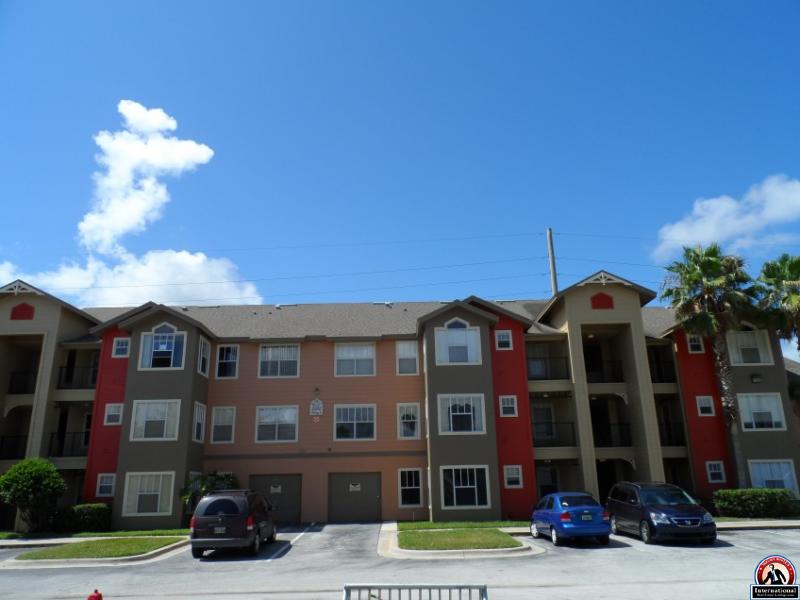
These properties often offer front desk services, room cleaning, and centralized booking on platforms like Airbnb and VRBO. Lenders may call some condotels non-warrantable, so traditional financing can be hard.
Local government permits, plus state condo licenses, must be active, and licensing costs run several hundred dollars per year. Rental income can swing with tourism patterns and local rules, so owners should plan for ups and downs.
Steps to Take When Buying a Condo to Rent Out
Use MLS, a short-term platform, and Excel cash-flow models to test rent and expenses. Talk to a mortgage lender, read HOA rules, and get homeowners insurance and local permits.
Research the market and local regulations
Look closely at rules and market demand before you buy. Study condo documents, local laws, and rental trends.
- Scan governing documents, confirm rental permissions, and note any HOA rental restrictions; cite Florida Condominium Act, Section 718.110(13), for rules on rental prohibitions and caps on leased units.
- Ask the association if they require specific forms, lease approval, or limits on number of rentals, minimum stay length, or renters per year, and get those forms in writing.
- Check local government permit needs for vacation zones, secure short-term rental licenses if required, and verify municipal rules that vary by county and city.
- Run market analysis using a comparative market analysis, vacation platforms like Airbnb and Vrbo, and local rental rates; factor in seasonal demand and peak months for cash flow.
- Include insurance quotes and special assessments in your budget, compare rates for wind, flood, and liability coverage, and plan for higher premiums in coastal areas.
- Review financing rules for investment properties, meet lender occupancy and down payment requirements, and confirm mortgage terms for condos with rental limits.
- Hire a real estate professional or property manager to verify compliance, perform local market research, and help file association or city paperwork for rentals.
Crunch the numbers to calculate profitability
Next, shift from market rules to hard math, and test if the deal pays. Use a spreadsheet, mortgage calculator, and cash flow worksheet to model scenarios.
- Enter purchase price, and down payment needs, plan for 20% to 25% down, or 30% if the condo questionnaire shows negatives, then note exact loan terms.
- Add recurring costs: HOA fees, property taxes, and maintenance, plus average landlord insurance at $2,860 per year, and average condo insurance at $1,400 per year.
- Include high insurance scenarios, assume premiums of $5,000 to $7,000 annually, and set aside a reserve for special assessments that can top $100,000 for major repairs or rising insurance.
- Forecast rental income using Florida’s rent to price ratio, roughly 0.65%, and adjust for seasonality, platform listing fees from $0 to $30, and expected vacancy rates.
- Calculate monthly cash flow, subtract mortgage, HOA, insurance, taxes, management fees, and maintenance, then test a worst-case with higher premiums and a longer vacancy.
- Compute ROI and cap rate, track equity build, run break-even time, and compare net income to other markets; use rental management software, a spreadsheet, and a mortgage amortization tool to verify results.
Check our ROI calculator
Secure appropriate paperwork and permits
You must secure the right permits and paperwork before you rent. Start early, and get documents in writing.
- Get the annual vacation rental license, note renewal costs of several hundred dollars, and file with the county or state office that handles short-term rentals, to avoid fines and shutoffs.
- Collect the last set of association board minutes, review them for upcoming assessments or rule changes, and keep a copy for lender and tenant disclosure.
- Have a written lease that lists deposit rules, rent schedule, maintenance duties, repair and early termination clauses, and eviction grounds, to set clear expectations.
- Return security deposits within 15 days after lease end, provide an itemized list of deductions, and keep receipts to defend any disputes.
- Use a completed condo questionnaire for your mortgage lender, send it early, and work with the title company to confirm unit insurability and project eligibility.
- Hire an attorney to review rental agreements, eviction procedures, and local rules, to ensure compliance with Florida law and reduce legal risk.
- Buy proper insurance, check for higher premiums and special assessments, and confirm coverage limits for liability and flood, to protect income and equity.
Now move on to research the market and local regulations.
Benefits of Renting Out Your Condo
Renting your Florida condo can create steady cash flow, boost ROI, help cover the mortgage, let a property manager handle guest turnover on vacation platforms, and build equity—read more.

Passive income generation
Passive rental income can run like a small business, and you must file taxes on that income. Property managers, like Guest Managers, can handle bookings, maintenance, and cash flow, and listing sites, such as a major portal, can boost visibility.
Owners can automate rent collection with checks, direct deposit, online transfers, or payment apps, to keep cash flow steady. Good pricing and marketing, plus tenant screening, cut vacancy and increase timely payments.
Seasonal demand, especially October through March, can raise nightly rates for short stays. Long-term leases give steady monthly income, and repeat tenants or strong reviews lift occupancy for short-term units.
Use tools like Rentec Direct or a channel manager to track payments, leases, and performance. Follow local rules, and plan for insurance premiums and HOA limits, before buying.
Building equity over time
After passive income covers mortgage or fees, you can build equity over time. A 20% to 25% down payment gives you immediate equity, and rental income can pay down the mortgage principal, which raises your stake in the condo.
Florida condo values usually rise, though often slower than single-family homes, and owners tend to see larger profits over a longer holding period.
Market trends, location, and property management quality shape how fast equity grows. High insurance costs and special assessments can cut into gains, so factor those into your cash flow.
Smart upgrades, like modern kitchens or durable flooring, can lift value and equity. You can tap built equity later, via refinancing or using it to buy more rental property.
Easier maintenance compared to standalone homes
HOA fees cover common areas, exterior repairs, and amenities, so owners spend less time on grounds. Owners remain mainly responsible for maintenance inside their units, like plumbing, appliances, and paint.
Schedule pest control twice a year, and service HVAC once a year to keep systems efficient. Test smoke alarms and carbon monoxide detectors monthly, replace batteries yearly, and inspect walls and ceilings annually, or hire a property manager to handle inspections and routine upkeep.
Challenges of Renting Out a Condo in Florida
HOA rules can block short-term rentals, and condo association fines can hit owners fast. High insurance and FEMA flood rates raise costs, and loan rules for investment mortgages or a bad property manager can cut profits.
High maintenance fees and assessments
Monthly HOA fees add a few hundred dollars to your monthly costs, and they climb higher in prime beach or downtown buildings. Boards can levy special assessments for big repairs, some that exceed $100,000 for structural fixes or rising insurance bills.
Condo insurance often runs $5,000 to $7,000 or more a year, while average landlord insurance sits near $2,860 annually, and condo policies average $1,400 per year. Lenders and investors will look hard at these numbers, they can change a deal fast.
Pest control twice a year, HVAC service once a year, and routine inspections eat time and money. Property taxes, management fees, and routine maintenance all add up, you must include them in your profit math.
Higher priced units can lose appeal, because heavy fees and assessments cut into returns. Calculate insurance, taxes, management, and upkeep before you buy.
Legal and regulatory complexities
Florida law, Section 718.110(13), lets condo associations limit or ban rentals, so read your condo association rules before you buy. Local permits and state condo licenses often apply for vacation rentals, and some associations want owner and tenant forms filled out first.
Return security deposits within 15 days after a lease ends, and give an itemized list for any deductions. Follow Florida Landlord-Tenant laws, keep the unit habitable, and get legal help for evictions to avoid costly mistakes.
Write a clear, written lease that lists repairs, eviction steps, and early termination terms. Treat rental income as a business, report it on tax filings, and check financing rules for investment properties.
Ask your condo association and local government about special assessments, insurance costs, and any rental caps before you sign.
Conclusion
You can buy a condo in Florida and rent it out, but check the HOA rules, insurance costs, condo questionnaires, local laws, your mortgage limits and financing for rentals. Careful checks on HOA limits and insurance can protect income and cut losses.
Use tools like loan calculators, DBPR guides, and rental platforms such as Airbnb and VRBO, and review your lease agreement and condo questionnaire. Start small, learn fast, and scale when your numbers make sense.
The safest way is to get the assistance of a property management companies because they know all about rentals by the book, can advise you on your property investment, and keep your rental property investment in compliance with laws.
InOrlando, you can count on Guest Managers to handle everything for you, from increasing occupancy rate, having competitive pricing, maintaining your property, collecting rent, and client-facing 24/7 making it a truly passive income. These steps stay practical, they are easy to follow, they save time, and make your rentals profitable. Contact Guest Managers today, as licensed real estate brokers as well, we can give assistance in buying rental property, too.
FAQs
1. Can I buy a condo in Florida and rent it out?
Yes, you can buy a condo in Florida and rent it out, but check the association rules, local laws, and your mortgage limits first.
2. Will the condo association allow rentals?
Many associations allow rentals, some limit or ban short-term rentals. Read the rental rules, ask for the association policy, and secure any needed permits.
3. What costs and taxes should I expect?
Plan for mortgage payments, condo fees, association fees, insurance, repairs, property tax, and income tax on rental income, plus any local tourist taxes.
4. Do I need a manager to rent the condo?
While you can manage your rentals yourself, it comes with a lot of tasks: you advertise your rentals, screen tenants, collect rent, and handle repairs yourself, and you also need to keep up with the laws to ensure compliance. Hiring a manager saves time and ensures you remain compliant with rental laws and insurance.