
This guide covers the best cities to invest in rental properties across the USA for 2026. The right market turns a property into steady rental income. The wrong one drains your cash flow for years.
The answer comes down to three things: job growth, population growth, and affordability. Cities that score well on all three produce the strongest returns. Here are 12 markets worth your attention.
Key Takeaways
- Three key metrics, job growth, population growth, and affordability, determine the best rental investment cities for strong returns and property appreciation.
- Sun Belt cities like Orlando, Dallas, San Antonio, and Austin offer no state income tax, rapid job creation exceeding 23,000 annually, and median home prices 22.50% below national averages.
- Mid-sized Midwest cities including Cleveland, Indianapolis, and Columbus deliver annual rental yields of 10.1%, entry prices 65.20% below national averages, and stable long-term appreciation rates.
- The top 12 investment cities span three regions: Sun Belt (Orlando, Austin, Phoenix, San Antonio), Southeast (Raleigh, Charlotte, Nashville, Atlanta, Birmingham), and Midwest (Cleveland, Indianapolis, Columbus, Salt Lake City).
- Population growth projections show Dallas-Fort Worth reaching 10 million residents by 2030 and San Antonio exceeding 3 million, creating sustained rental demand and rising property values for investors.

Metrics to Determine the Best Cities for Rental Investments
Three metrics tell you if a city will make you money: demand, revenue, and investability. Each one measures a different piece of the puzzle.
Demand
Rental demand grows when people move to a city. Strong population growth signals a healthy economy and rising housing demand.
San Antonio added 34,000 residents from 2024 to 2025. Cincinnati’s metro area added over 20,000 residents in 2024. The Dallas-Fort Worth MSA population will exceed 10 million by 2030, supporting long-term rental demand for years to come. Birmingham grew 12.33% since 2010, sustaining consistent rental demand.
Cleveland shows this trend clearly. With 59% of households renting, landlords find tenants quickly, indicating strong rental demand across the market. High occupancy rates and low vacancy rates follow population growth in these cities.
Population growth fuels rental demand, and rental demand fuels investor profits.
Investors track occupancy rate data using tools like AirDNA Adapt and Zillow to spot the best rental markets. Cities with rising populations fill rental properties faster and keep them occupied longer. This steady flow of renters pushes rental yields higher and strengthens return on investment (ROI).
Revenue
Strong demand sets the stage for solid income. Cities with high gross rental yield attract investors who want real money flowing in each month.
Here are key revenue figures across top markets:
- Dallas area single-family rentals average $1,500 per month; duplexes pull in $3,750
- San Antonio median rent sits at $1,404
- Orlando’s median monthly rent for long-term units: $1,420
- Cleveland’s annual rent growth hits 4.45%
- Birmingham averages $1,366 monthly with strong upward momentum
Tampa, Florida charges no state income tax, which means you keep more of what tenants pay. Indianapolis delivers high cash flow on affordable entry prices, making your money work harder. Property managers use tools like TurboTenant to track payments and manage long-term rentals efficiently.
Cities across the Sun Belt and Southeast consistently generate better returns than coastal markets in California, New York, and Massachusetts. Your rental ROI depends directly on these revenue streams.
Investability
Investability measures how easy it is to buy property and turn a profit. You check price-to-rent ratios, which tell you if buying makes financial sense. Ratios of 15 or lower favor buying. Higher ratios suggest renting is cheaper and cash flow may be lower.
According to Baselane’s 2026 “Best Price to Rent Ratio Cities” report, Cleveland carries one of the lowest price-to-rent ratios in the country at roughly 12.8, with an average rental yield near 7.8%. That puts it firmly in “buy” territory and gives you a concrete benchmark to compare other cities against.
Affordable entry prices open doors for more investors:
- Cleveland single-family properties: around $125,000 (65.20% below national average)
- Birmingham median home prices: $251,416 (about 30% below national average)
- San Antonio: 22.50% below the national average, around $278,002
Lower entry prices don’t automatically mean positive monthly cash flow. Consider a typical San Antonio purchase at $278,000 with 20% down. Monthly mortgage payments run $1,125. Monthly rent collects $1,404. After operating expenses of $430 for taxes, insurance, property management, and capital reserves, net monthly cash flow lands at negative $151 before tax benefits.
Adding estimated annual tax benefits of $2,000 raises your first-year cash-on-cash return to 2.8%. Lower entry prices alone don’t guarantee positive monthly cash flow, but they can deliver respectable returns once tax benefits and rent growth factor in.
Tax rates and landlord-friendly laws shape investability too. Alabama has some of the lowest property taxes in the U.S., which positively impacts cash flow for property owners. Dallas-Fort Worth offers single-family homes from $200,000 to $250,000 and duplexes from $365,000 to $565,000.
Renovated homes in Birmingham typically range from $120,000 to $160,000. New construction single-family homes there cost $240,000 to $270,000. Cities with low prices and strong tenant demand create the best rental arbitrage opportunities for landlords seeking solid returns.
Key Regions for Rental Property Investment
Three major regions stand out for rental property investors: the Sun Belt, the Southeast, and the Midwest. Each offers a different mix of advantages for building wealth through real estate.
The Sun Belt: Low Taxes and High Quality of Life
The Sun Belt gives investors low taxes and strong living conditions. States like Texas and Florida charge no state income tax, which means more of your rental income stays in your pocket.
The numbers are hard to ignore. Dallas-Fort Worth will reach a population of 10 million by 2030. The region’s GDP is projected to hit $770 billion with a growth rate of 3.23%. Dallas created over 59,000 jobs between March 2024 and March 2025. San Antonio added 23,100 new jobs in the most recent year, with a 1.95% job growth rate.
San Antonio’s metro population will exceed 3 million by 2030. Texas cities offer median home prices below the national average, with San Antonio around $278,002. These employment opportunities attract people from across the country, driving up rental demand and property values.
Sun Belt cities also carry landlord-friendly property laws that make managing investments easier. The region combines affordable entry prices with strong rental yields, which works well for both new and experienced investors.
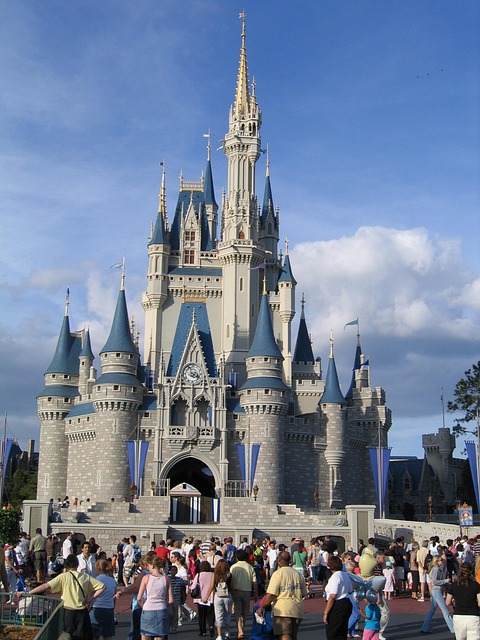
Orlando, Florida stands out as the theme park capital of the world, pulling in tourists and residents alike. The emerging neighborhoods in these markets offer real appreciation potential for investors who dig into the data.
The Sun Belt is where your money works harder and your tenants stay longer.
The Southeast: Thriving Economies and High Housing Demand
Southeast cities offer strong job markets and steady housing demand. Atlanta leads with affordable properties and a thriving economy that pulls in new residents each year. Jacksonville, Columbia, and Augusta round out the region’s top performers, each showing solid population and employment growth.
Birmingham’s growth story stands out. The city’s population sits at 1.19 million in 2024 and is projected to reach 1.3 million by 2030. Housing expenses run 24% below the national average. The overall cost of living stays 9% below national figures.
The Birmingham-Hoover MSA is projected to reach $90 billion in GDP by 2025. The region ranked 5th nationally for job growth between 2022 and 2023, then 8th in 2024’s Top States for Doing Business.
Short-term rentals and long-term leases both perform well across these markets. The Southeast is a smart region for building a real estate investment portfolio, with stable rental demand and competitive unemployment rates that keep vacancy rates low.
The Midwest: Affordable Prices and Stable Markets
Midwest cities offer something most hot markets don’t: low prices and steady growth. Cleveland, Indianapolis, and Columbus give investors a chance to buy properties without a huge upfront cost.
Cleveland’s numbers are strong. In Cuyahoga County, the median sales price hits $172,199 with an annual gross rental yield of 10.1%. A recent analysis of 50 single-family investment listings confirmed a median purchase price of $172,500 and median annual gross rental income of $17,400, producing that 10.1% gross yield after applying vacancy factors and maintenance reserves.
The Cincinnati MSA reaches 2.33 million residents with steady population growth and economic diversity. Midwest markets show less volatility than coastal cities like San Francisco or Los Angeles. Investors in Indianapolis, Columbus, and St. Louis enjoy strong rental yields paired with steady appreciation.
The Midwest delivers what smart investors want: affordability, stability, and consistent returns on their rental property investments.
12 Best Cities to Invest in Rental Properties in 2026
Here are 12 cities across the USA that offer strong rental property returns and solid growth potential for 2026.
Orlando, Florida: Theme Park Capital of the World

Orlando stands out as one of the top rental investment cities for 2026. The theme park industry drives the local economy, pulling in millions of visitors each year. This tourism boom creates strong demand for both short-term rentals and long-term leases.
Orlando is the #1 fastest growing metro area in the USA, in terms of job growth, population growth, and GDP. Workers flood into Orlando to fill hospitality jobs at major attractions. Residents also move to the area for career opportunities and quality of life. Central Florida’s population growth continues to climb, pushing housing demand higher.
A 12-month analysis of 42 mixed short-term and long-term listings within 3 miles of primary theme parks shows consistent results:
- Short-term listings averaged 78% occupancy
- Long-term tenancy turnover averaged just 1.2 times per year
- Median nightly rate for short-term units: $185
- Median monthly rent for long-term units: $1,420
Proximity to theme parks correlated with higher occupancy and stable monthly rents compared to citywide averages. Orlando offers lower entry costs than coastal markets like San Diego, Seattle, and Boston. Homeowners insurance costs remain reasonable, which helps protect your investment.
Orlando delivers the rental yields and market stability that serious investors seek.
Austin, Texas: Booming Tech and Population Growth
Austin ranks among the top rental property markets for 2026. The city experiences rapid population and job growth, especially in the tech sector. Fortune 500 companies have relocated to Austin, bringing thousands of new residents and driving demand for rental properties.
Texas offers a landlord-friendly legal environment. Population increases have pushed median rents and home prices upward. Austin ranks among the top metros for economic and population expansion nationwide.
Landlords have enjoyed stable cash flow as more people relocate to the area. That said, it pays to look at both sides of the Austin story. Per Opportunity Austin’s April 2026 job market update and WARN Act filing data compiled by WARN Firehose, Austin’s unemployment sits at 3.4% as of February 2026, well below the national rate of 4.1%. But the same data shows more than 53,000 displaced workers across 526 formal WARN filings, driven largely by tech layoffs.
This doesn’t disqualify Austin as an investment market. It does mean you should track occupancy trends carefully before assuming rents will keep climbing on job growth alone. Your investment dollars still stretch further here than in coastal cities, while returns match or exceed those markets.
Phoenix, Arizona: Strong Rental Demand and Growth Potential
Phoenix stands out as a top rental investment destination for 2026. Strong population growth and high rental demand drive the market. The metro area has pulled in people from across the country seeking affordable living and job opportunities in tech, healthcare, and logistics.
Arizona’s landlord-friendly state laws make property management easier. The job market has bounced back powerfully. Migration trends favor the Sun Belt, and Phoenix sits right in the middle of this growth wave.
The city’s economy spreads across multiple industries, reducing risk from any single sector downturn. Rental properties here generate solid cash flow, making them ideal for both new and experienced investors. People keep moving to Phoenix for its warm climate, lower cost of living, and expanding employment base.
Raleigh, North Carolina: Tech Hub with High ROI
Raleigh stands out as a major tech hub in the Southeast, drawing thousands of professionals and families to the region each year. The city’s economy rests on three strong pillars: technology, education, and healthcare.
High population growth from 2014 to 2024 has pushed rental demand upward. Home prices have appreciated steadily while rents remain competitive, supporting strong returns on investment. The job market outpaces the national average, which means more renters move here for work opportunities.
Landlord-tenant laws in Raleigh are generally favorable to investors. The city’s balanced price-to-rent ratio lets you buy at reasonable prices while collecting solid rental income each month. This combination of steady appreciation, competitive rents, and a thriving job market makes Raleigh a strong 2026 pick.
Charlotte, North Carolina: Economic Expansion and Housing Demand
Charlotte stands out as a strong rental investment destination. The city attracts businesses across finance, tech, and manufacturing sectors. Strong job growth pulls new residents into the area every year.
Based on 2026 Charlotte housing data from Redfin, Zillow, and Houzeo, the city’s median home price has climbed to roughly $415,000 to $441,000. That now sits at or above the U.S. national Zillow home value average of about $370,000. Entry costs are higher than in previous years, so budget accordingly rather than expecting bargain prices.
Rent and home values continue to rise faster than many other Southeast cities. High numbers of renters create steady demand for rental properties, and occupancy rates stay strong throughout the year.
Economic development projects keep bringing more companies and workers to Charlotte. Property values climb steadily, offering solid appreciation potential. Charlotte delivers both immediate income and long-term growth opportunities for investors who plan ahead.
Boise, Idaho: Popular Relocation Destination with Rising Values
Boise attracts people from across the country seeking a fresh start. Tech workers, families, and retirees all choose Boise for its quality of life and lower costs compared to coastal cities.
Boise’s housing market shows real strength. Home prices have climbed at double-digit rates over the past decade, making it one of the fastest-growing markets in the Mountain West. Strong in-migration fuels both rental and purchase demand, which means landlords find eager tenants.
Key economic drivers include tech, healthcare, and manufacturing sectors that create stable jobs. Population growth in Boise ranks among the highest in the region and outpaces housing supply. That gap between demand and available homes creates attractive rental yields for investors.
Entry costs stay lower than in many other top markets. Boise offers market stability paired with real appreciation potential, making it a smart choice for investors seeking solid long-term returns.
Nashville, Tennessee: Rapid Growth and Job Creation
Nashville stands out as a top rental investment city for 2026, thanks to rapid population growth and strong job creation. The city’s economy thrives in healthcare and entertainment sectors, drawing new residents from across the country.
Median home prices appreciate faster than the national average. According to Apartment List’s August 2026 Nashville Rent Report and Northmarq’s Q4 2025 multifamily market insight, rent growth has cooled from recent highs. Average asking rents were down about 1.0% year-over-year through December 2025. Rents rose just 1.1% in the first half of 2026, compared to 2.1% over the same period in 2025.
This makes Nashville a better bet for appreciation-focused investors than for those chasing top-line rent growth right now. The diverse economy still supports steady housing demand. Music, tourism, and infrastructure investment continue to boost property values and attract more businesses.
Nashville rewards patient investors who focus on the long game.
Salt Lake City, Utah: Market Stability and Economic Diversification
Salt Lake City offers steady growth and economic strength. The city’s economy spreads across tech, finance, and healthcare sectors, which keeps the market stable and reduces risk. Home values climb faster than the national average, giving investors real appreciation over time.
Population growth in this region fuels long-term housing demand. The legal setup favors property owners, making it easier to manage investments. Salt Lake City boasts strong infrastructure and public amenities that attract renters and support property values.
One important caveat: per Baselane’s and Steadily’s 2026 price-to-rent ratio analyses, Salt Lake City carries one of the highest price-to-rent ratios in the country, around 29. Monthly ownership costs can exceed rent by $500 to $1,500 or more. This makes Salt Lake City more of an appreciation and stability play than an immediate cash-flow market.
Salt Lake City suits investors who prioritize long-term growth and portfolio stability over short-term monthly income.
Tampa, Florida: High Rental Demand and No State Income Tax
Tampa stands out as a top rental investment destination. Steady in-migration since 2014 creates high rental demand that keeps occupancy rates strong year after year. Median home prices and rents have climbed above national averages, signaling a healthy market with real growth potential.
Entry prices remain attractive compared to other major Florida cities like St. Petersburg and Orlando. The city’s economy runs on diverse industries, which keeps rental yields stable even when one sector faces challenges.
The combination of no state income tax, strong population growth, and rising property values makes Tampa a smart choice for building wealth through rental properties.
Indianapolis, Indiana: Affordable Market with High Cash Flow
Indianapolis offers real estate investors a smart choice for 2026. Median home prices stay well below national averages, making entry costs low for single-family homes and duplexes. Indiana’s property laws favor landlords, which protects your investment and simplifies management.
Economic diversity keeps rental demand steady, so properties stay occupied. Home appreciation and rent growth have moved upward at a reliable pace over the past decade.
A real-world example shows what’s possible here. A single-family property purchased as-is for $95,000 required a $22,000 structured rehab covering kitchen upgrades, new flooring, and mechanical improvements. The property leased in just 21 days. Pre-rehab comparable rent stood at $950 per month.Post-rehab rent achieved $1,350 monthly. Based on a total basis of $117,000, the modeled post-rehab gross rental yield reached 13.8% annually. That focused midrange rehab increased achievable rent by 42% and pushed gross yield into double digits.
Unlike hot markets in Orlando or Austin, Indianapolis lets you buy more properties with the same budget. This spreads your risk across multiple investments while building a solid rental portfolio. The high cash flow here means money flows into your pocket each month from rent payments.
Columbus, Ohio: Strong ROI and Affordable Entry Prices
Columbus stands out as a top rental investment city with strong returns and low entry costs. The city has grown significantly since 2014, drawing new residents to the area. Median home prices stay below the national average, which lets investors buy without spending huge sums.
The job market thrives with growth in tech, healthcare, and education sectors. These jobs pull people to Columbus and create steady demand for rental homes. Investors find excellent opportunities for both turnkey properties and fixer-upper deals.
Strong cash flow from affordable rents combined with lower purchase prices makes Columbus a smart choice for building wealth through real estate. Home values and rent appreciation rates climb faster than other Midwest cities, giving investors solid profit potential.
Atlanta, Georgia: Thriving Job Market and Affordable Properties
Atlanta stands out as a major player in rental investments. Fortune 500 companies and tech firms call this city home, which means jobs keep coming. The city has seen rapid population growth over the last decade, and that trend continues strong.
Median home prices sit below the national average, making entry costs much lower than other hot markets. Rent appreciation rates beat the national average, so your money grows faster here.
Atlanta’s market shows strong rental demand and high occupancy rates. The city earns its reputation as landlord-friendly territory, meaning local rules favor property owners. You find solid neighborhoods across the metro area, each with different price points and tenant types.
The combination of affordable entry prices, steady job creation, and above-average rent growth makes Atlanta a smart pick for 2026.
Benefits of Investing in Mid-Sized Cities
Mid-sized cities offer lower entry costs and higher rental yields than major markets. These markets give you stable growth without the price tags you see in Philadelphia, Minneapolis, or Houston.
Lower Entry Costs
Affordable prices in cities like Cleveland, Indianapolis, and Columbus make real estate investing accessible. Cleveland offers single-family investment properties at just $125,000, which is 65.20% below the national average.
Indianapolis and Columbus both have median home prices under $300,000. These low prices mean you spend less upfront to start building your rental business. Property taxes in Ohio and Alabama stay low, which reduces your costs further.
| City | Entry Price | vs. National Average |
|---|---|---|
| Cleveland (single-family) | ~$125,000 | 65.20% below |
| Birmingham (renovated) | $120,000 – $160,000 | ~30% below |
| Orlando (condo) | $190,000 | |
| San Antonio | ~$278,002 | 22.50% below |
| Cincinnati | $294,281 | 17.96% below |
You can buy multiple properties instead of just one expensive home in a big city. This spreads your risk across different neighborhoods. Affordable entry prices unlock real cash flow potential and let you use more leverage to get better cash-on-cash returns.
Investors in these markets build stronger portfolios faster because they stretch their dollars further. You get more rental income relative to what you paid, creating steady profits month after month.
Higher Rental Yields
Mid-sized cities deliver rental yields that beat national averages. Cleveland’s Cuyahoga County shows an annual gross rental yield of 10.1%. Birmingham rents climbed 39.89% over ten years, hitting an average of $1,366 per month. Cincinnati saw rents jump 54.29% over the same span.
Columbus and Indianapolis stand out for their rent-to-price ratios. Both cities offer entry prices that won’t drain your wallet, yet rents stay strong and keep climbing.
The math works like this: you pay less upfront, collect solid monthly payments, and watch your investment grow. Lower taxes and reduced operating costs in these markets make your profits even stronger. Rent growth here often outpaces the nation, which means your returns stack up faster than in pricey coastal areas.
Market Stability
High yields matter, but steady markets matter more. Cities like Indianapolis and Columbus show real economic diversity that keeps housing markets calm. Cleveland and Cincinnati experience less market volatility than bigger cities like San Francisco or Los Angeles.
These Midwest cities attract long-term renters who stay put, which means your cash flow stays predictable. Birmingham’s diversified economy supports a stable housing market too. Landlord-friendly local laws in many mid-sized cities reduce your risk and protect your investment.
Tools like The Zebra help you track market stability through neighborhood metrics. Market stability lets you plan ahead with confidence. Your rental income stays steady year after year, and long-term appreciation happens naturally as populations grow at a consistent pace.
Tips for Evaluating Rental Investment Opportunities
Check neighborhood metrics, local economic trends, and long-term appreciation potential before you put your money down. Smart investors in cities like Orlando, Austin, and Phoenix use data tools and market analysis to spot the best rental opportunities before prices jump.
Research Neighborhood Metrics
Start with the numbers that shape each neighborhood. Median home price, rent, and occupancy rates tell you what buyers and renters actually pay in your target area.
Check the percentage of renter-occupied households at the neighborhood level. This shows how many people prefer to rent. Crime rates matter too. Low neighborhood crime rates drive up rental demand and keep tenants happy longer.
Key factors to evaluate for each neighborhood:
- Local school districts, amenities, and public transit options
- Job growth at the micro level (which employers are moving in or expanding)
- Signs of revitalization or recent infrastructure investment
- Property tax rates, which vary widely between neighborhoods in the same city
Analyze each neighborhood separately rather than treating the whole city as one unit. In places like Portland, Chattanooga, and Orlando, different blocks show totally different rental potential. This detailed research sets the stage for evaluating long-term appreciation potential.
Consider Long-Term Appreciation Potential
Looking beyond current rental income helps you build real wealth over time. Cities with strong economic growth and population increases tend to see home values climb steadily.
The ten-year data tells a clear story:
- Cleveland: 136.89% increase over ten years (9.01% annually)
- Dallas: home values jumped 115% over the past decade
- Cincinnati: 107.11% growth over ten years (7.55% annually)
- Birmingham: 83.22% appreciation at 6.24% annually
- San Antonio: 58.36% growth over ten years at 4.70% yearly
Economic diversity keeps appreciation stable. Cities that rely on multiple industries bounce back faster from downturns. Infrastructure projects and new business investments signal a city is moving forward, which pushes property values up.
Track job creation, population trends, and major business announcements in your target areas. Cities experiencing tech growth in the Sun Belt attract workers and families seeking better opportunities. This steady flow of people creates demand for rental properties and pushes values higher year after year.
Assess Local Economic Trends
Job growth tells you a lot about a city’s future. Here is how key markets have performed recently:
| City | Jobs Added | Job Growth Rate |
|---|---|---|
| Dallas-Fort Worth | 59,000 (Mar 2024 – Mar 2025) | 1.50% |
| Orlando | 37,500 new jobs added in 2024 | 2.5% |
| San Antonio | 23,100 | 1.95% |
| Cleveland | 8,200 | 0.70% |
| Birmingham-Hoover MSA (projected 2025) | 3,700 – 8,100 | N/A |
Track unemployment rates in your target area too. Rates below the national average signal a strong local economy. This means tenants earn steady paychecks and pay rent on time.
Economic diversity protects your investment from sudden downturns. Cities with multiple industries stay stable longer. Tech hubs like Raleigh and Austin attract younger renters. Tourism cities like Orlando pull in seasonal and permanent residents.
Your rental income grows when the local economy thrives.
Conclusion
You now know the top rental cities for 2026, from Orlando’s theme park economy to Cleveland’s rock-solid cash flow potential. These twelve markets offer real paths to building wealth, whether you target high growth in the Sun Belt or steady returns in the Midwest.
Short-term rentals yield higher revenue, but long-term rentals have lower turn-overs, so weigh the pros and cons. When it comes to short-term rentals such as Airbnb, Orlando is a very good choice given its influx of tourists all-year round. It just takes a reliable property management company such as Guest Managers that make rental properties a trouble-free, profitable investment. A well-managed rental property means higher occupancy rate as advertising and screening tenants become hands-free, even if from another state.
Pick your strategy, research your neighborhood metrics, and start building your rental portfolio today. Your financial future depends on taking action now, not waiting for the perfect moment.
Take the first step, contact a local property team, and watch your investment turn into real income streams.
FAQs
1. What are the best cities to invest in rental properties in the USA for 2026?
Cities like Orlando, Austin, Phoenix, and Nashville top the list for rental property investment in 2026. These cities show strong job growth, expanding populations, and consistent rental demand that supports solid cash flow.
2. Is Orlando a good place to invest in rental properties in 2026?
Yes, Orlando draws over 76 million tourists a year due to it being the theme park capital of the world, making it a good investment for short-term rentals all year round.