
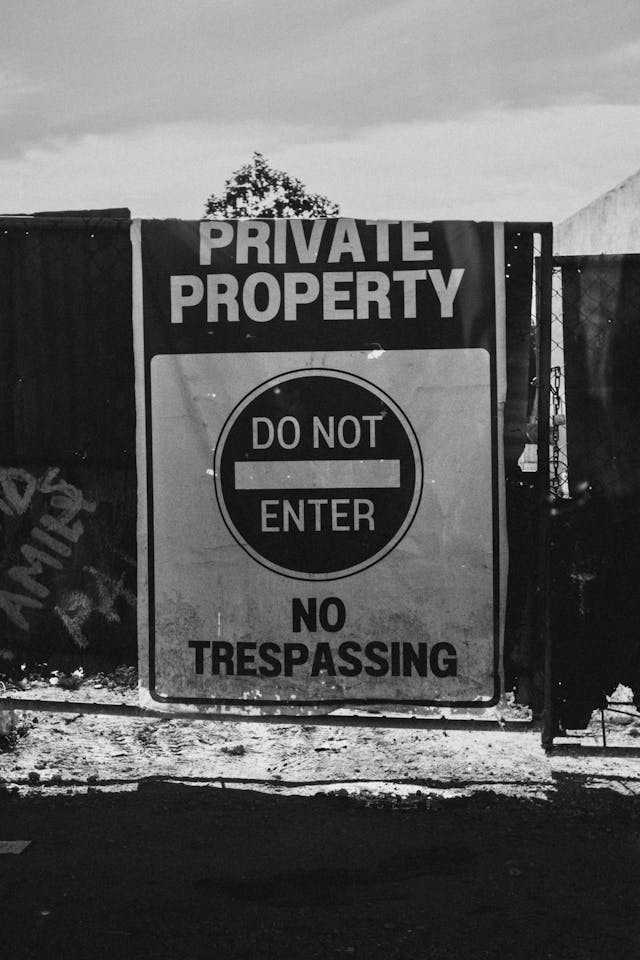
Do you worry someone could move into your empty house or rental property in Florida and stay? Many owners ask, “How can I remove squatters in Florida? Can the police remove them?”
You want clear steps, immediate action, and a way to protect your rental property.
Florida recognizes squatters’ rights through adverse possession. A person can claim a title after seven years of open, continuous, and hostile possession, and they must pay property taxes.
This post will explain Florida squatters’ rights and adverse possession, show how to prevent squatters in Florida, and walk through the legal steps to remove them. Read on.
Key Takeaways
- Adverse possession in Florida requires seven years of open, continuous, hostile possession and payment of property taxes to qualify for title.
- Governor Ron DeSantis signed SB 322 on June 2, 2025, creating faster removal options and criminal penalties for unauthorized occupancy.
- SB 606, effective July 1, 2026, treats hotel/motel stays as transient unless a written agreement says otherwise and allows notice by email, text, or paper.
- Owners must file an unlawful detainer, squatters have five days to respond, and a writ of possession is needed before the sheriff can remove occupants; do not attempt self-help.
What Are Squatters’ Rights?
A squatter lives in a property without the owner’s permission, and the law treats that situation differently from a simple trespass or a tenant dispute. Courts base many claims on adverse possession, a legal principle that can give long-term occupants rights if they meet strict requirements.
Squatting can happen on purpose, like taking over an abandoned house, or by mistake, such as a mix-up about who owns land. Florida law recognizes some rights for these occupants, and property owners must follow legal steps to challenge them.
A squatter’s case in court looks at how long the person lived on the land, whether the occupation was open and obvious, and if they paid property taxes or acted like an owner. The state treats squatting as a civil issue, while trespassing remains a criminal offense, and that split affects how to remove squatters in Florida and how police or courts respond.
Owners of rental property must act fast, document issues, and use proper legal filings if they want to protect their assets. Next, we examine squatters’ rights in Florida, the legal foundation, and the role of adverse possession.
Squatters’ Rights in Florida
Squatter’s rights in Florida can affect any rental property owner, so know the law and your options. Study adverse possession, tax duties, and notice rules, then take steps to protect your property.
Definition and Legal Foundation
Florida law recognizes squatters’ rights to avoid vigilante justice, and it relies on adverse possession as the legal basis. The law presumes the title holder is the rightful owner, creating a clear standard for court review.
People who occupy without a title can include friends, family members, or former partners.
Adverse possession offers a path for long-term occupants, but only under strict legal rules. Courts aim to keep disputes civil, and they discourage owners from using force to reclaim property.
Owners of rental property should watch claims closely, since squatters’ rights in Florida can affect landlords as well.
The Role of Adverse Possession
Adverse possession lets a squatter claim legal title to land. Claimants must meet seven conditions: hostile, actual, exclusive, open and notorious, continuous, protected by significant enclosure, and color of title or property taxes.
Adverse possession can turn long-term use into legal ownership.
State law requires continuous occupation for seven years, proof of hostile, actual, and exclusive possession, and evidence of improvements to the property. Next, we outline the hostile possession requirements under Florida law.
Adverse Possession in Florida
Adverse possession lets a person gain legal title to land after long, open use that meets Florida law. Read more to see how years of occupation, visible use, and tax payments can affect a claim.
Hostile Possession Requirements
Hostile possession means the squatter understands they lack permission, not that they act violently. This definition rests on the squatter thinking they trespass or that they have a right to the property.
Possession must be without the owner’s permission, and it must run against the owner’s rights.
If the owner gave permission, the possession cannot be hostile and does not qualify for adverse possession. Courts require proof that the possession was hostile as part of an adverse possession claim.
Hostile possession is one of the seven required conditions to claim adverse possession in Florida.
Continuous Occupancy for Seven Years
A squatter must live on the property for seven consecutive years before filing an adverse possession claim in Florida. The possession must remain uninterrupted for at least seven years, and any gap negates the claim.
Florida courts expect proof of continuous living and property upkeep during the entire seven-year period. Missing any time interrupts the adverse possession process, and the claim cannot move forward.
Open and Notorious Possession
After seven years of continuous occupation, courts then assess open and notorious possession. Courts require the squatter’s presence to be obvious; hiding or concealing occupancy forfeits this condition.
Occupancy must be visible and apparent to neighbors and the owner so the owner could reasonably be aware of the presence. The squatter must treat the property as their own in a way that is apparent to the public because this element is necessary for an adverse possession claim to succeed in Florida.
Payment of Property Taxes
Squatters must pay all outstanding property taxes and any special improvement liens within one year of taking possession to pursue adverse possession claims. Paying those taxes and assessments makes a squatter more likely to succeed in a claim.
Property owners who keep paying taxes block that path, because squatters cannot meet the payment requirement while the owners’ taxes stay current. Courts will want proof of property tax payments during the seven years of continuous occupation.
Recent Changes to Florida Squatters’ Rights Laws
Florida passed 2026 laws that change adverse possession and raise penalties for illegal occupants. Property owners must learn new timelines and tax rules to protect their rights.
Key Updates in 2026 Legislation
Governor Ron DeSantis signed Senate Bill 322 on June 2, 2025, to strengthen protections for commercial property owners. The law speeds up removal of unauthorized occupants, giving owners a faster path to regain possession.
It creates a nonjudicial eviction process, letting owners file a sworn complaint with the county sheriff. Courts may see fewer long eviction fights for commercial spaces.
Senate Bill 606 raised rights for hotel and motel operators, and it allows written notices by email, text, or printed paper to guests. The law warns that persistent nonpayment or refusal to leave can lead to law enforcement action.
New rules take effect July 1, 2026, and they also demand clear fee disclosures for public food service establishments. Owners and managers must update policies to meet these new requirements.
Implications for Property Owners
Following the 2026 updates, property owners face clearer rules and faster remedies. SB 322 creates streamlined reclamation processes, adds financial safeguards, and adds criminal penalties for unauthorized occupancy and fraudulent listings.
SB606 clarifies that stays at hotels, motels, vacation rentals, bed and breakfasts, or timeshares are transient unless a written agreement says otherwise. Lawmakers ban non-paying hotel guests from claiming residency, and the new rules speed evictions for unauthorized occupants in commercial properties and hotels, cutting delays for owners.
How to Remove Squatters in Florida
File an unlawful detainer to start the eviction process, and gather proof of ownership and occupancy. Call local law enforcement for immediate criminal removal if occupants commit trespass, and consult an attorney to follow Florida law.
Unlawful Detainer Process
Squatters must be removed through the unlawful detainer process in court. Owners cannot force a personal eviction.
- Property owners must file an unlawful detainer suit in the county court where the property sits; this is the proper legal route to remove squatters and avoid illegal self-help.
- Unlawful detainer differs from eviction; it does not require a prior written notice to the occupant, so owners can begin the court action without waiting.
- The court gives squatters five days to respond to the complaint; if they do not answer within five days, the judge may enter a default judgment against them.
- Courts can award double the rental value if the squatter acted willfully and knowingly; judges may also order payment for property damage caused by the occupant.
- Owners should gather proof of ownership, dates of possession, photos of damage, and any communications and present this evidence at filing to speed the case and support damage claims.
- Law enforcement can remove occupants only after the court issues a writ of possession; owners must obtain the writ through the unlawful detainer judgment before police will act.
Immediate Removal by Law Enforcement
Property owners cannot change locks or force removal themselves. They must file a civil suit to seek removal.
- File an unlawful detainer, the civil lawsuit owners must use to get a court judgment, and then request the sheriff to execute the order; do not contact police for direct eviction.
- After a court judgment, the county sheriff serves the writ and may use law enforcement to remove occupants; the sheriff handles physical removal and secures the property following the court order.
- Commercial owners may use SB322, which allows a sworn complaint filed with the county sheriff for nonjudicial eviction; this speeds removal without waiting for full traditional court proceedings.
- Hotels and motels fall under SB606; managers may deliver written notice to guests, continued illegal occupancy after notice can prompt sheriff or police intervention to clear the room.
- Owners must avoid changing locks or self-help; doing so can expose them to civil or criminal liability; follow the unlawful detainer process, then rely on the sheriff to enforce the judgment.
- Document all contacts, dates, and notices; provide clear records to the sheriff and court, strong documentation helps expedite action under the new 2026 rules aimed at faster removal.
- Report suspected criminal behavior to police; law enforcement can act on crimes, while eviction remains a civil action; sheriffs coordinate both roles to remove illegal occupants after proper procedures.
Criminal Penalties for Illegal Occupants
Senate Bill 322 creates criminal penalties for unauthorized occupancy and for fraudulent property listings to deter people from promoting squatting. The law allows fines and jail time for those who illegally offer or use homes this way.
If an owner asks someone to leave, and that person stays, police can arrest them for criminal trespass, and courts can issue fines or imprisonment. Florida treats trespass in a structure and trespass on land differently, yet both can lead to criminal penalties.
Failing to meet adverse possession rules can expose a squatter to trespass charges.
[Florida Eviction Process: Expert Guide]
This short guide links to the Florida Eviction Process expert guide and lists clear steps for property owners. Legal action costs time and money, so consult counsel and attend all court dates to protect your rights.
- Read the linked Florida Eviction Process: Expert Guide for step-by-step filing instructions, timelines, and necessary forms; use it to plan legal action, because eviction can cost time and money.
- Hire a Florida attorney to prepare filings and serve notices correctly; legal counsel helps avoid delays and ensures you meet court rules, which lowers the chance of losing on technical grounds.
- File an unlawful detainer or eviction complaint in the correct county court, then serve the occupant with proper notice; the court sets a hearing date and requires your attendance to present evidence.
- Attend every scheduled court proceeding with proof of ownership, photos, and documents; judges expect owners to show up, and missing hearings can delay outcomes or harm your case.
- Request a writ of possession if the court rules for you; the sheriff enforces the order and assists in removing squatters, which transfers control back to the rightful owner.
- Know that squatters can never be removed without legal steps, even if they lack permission; follow the eviction process exactly to avoid criminal or civil complications and to recover your property.
- Track costs and timelines closely, because eviction can be lengthy and expensive; use the expert guide link, consult counsel for filings, and keep records for court and potential appeals.
How to Get an Eviction Notice from Court in Florida
Florida law requires a proper eviction notice to start the court process. The notice must state the reason for eviction and set a clear deadline to vacate.
- Serve an eviction notice that follows Florida regulations, state the legal reason, and give a firm deadline for vacating the property.
- If the occupant does not leave by the deadline, file an unlawful detainer lawsuit in the county court to regain possession of the property.
- Do not try to remove a squatter by force; Florida law requires owners to use the court process for legal removal.
- Landlords and property owners may not change locks, shut off utilities, or remove belongings; they must wait for a court order to regain the home.
- Ask the clerk of court for guidance on filing unlawful detainer forms, or consult an attorney to ensure you meet Florida filing rules and timelines.
- If you are in immediate danger or there is criminal trespass, contact local law enforcement for possible removal, but still follow court steps for full possession.
- Keep records of service, notices, dates, and communications, since courts use those documents to decide unlawful detainer cases and enforce possession.
Squatting vs. Trespassing in Florida
Squatting can lead to a legal claim if an occupant meets strict requirements, while trespassing is a simple unlawful entry. Florida law treats them differently, so property owners should act quickly and seek legal help.
Legal Distinctions Between the Two
Owning a property and finding someone living there without permission happens in different ways. Squatters occupy property without the owner’s consent, and Florida treats that mainly as a civil matter.
Trespassing involves unlawful entry, and the state classifies it as a criminal offense that can lead to immediate arrest.
Florida law requires that a person be notified they are on another’s property for the act to be criminal trespass. A squatter often lives in a place, without consent, hoping to stay long-term.
A trespasser may act with harm or theft in mind, and law enforcement may remove them right away.
Consequences for Trespassers
People who refuse to leave can face criminal trespassing charges. Courts may order fines and jail time. To prove trespassing, the owner must show the person willfully entered and remained, that the complainant held legal ownership, and that the person had been given notice, either verbally or by posted signs.
Florida treats entry into a structure and entry onto vacant private land as criminal offenses. If an individual is not a resident and refuses to leave, the owner can pursue criminal charges.
Tips for Protecting Your Property From Squatters
Check your property often, and fix issues at once to deter squatters. Hire a property manager or security service so someone watches the site and can respond fast.
Perform Regular Property Inspections
Inspect properties every three to six months for occupied rentals and every month for vacant units. They help monitor for squatters, and they reveal maintenance needs fast. Regular monitoring reduces the risk of an adverse possession claim.
Properties that appear occupied are less likely to attract squatters. Keep clear records of visits, dates, and photos to show ongoing care.
Install Security Systems
Install secure locks on doors and windows, use deadbolts, and reinforce frames. Add security cameras and alarm systems; they send immediate notifications of unauthorized access and deter squatters.

Place cameras to cover all entry points and set alarms to alert you or a monitoring service. Next, post “No Trespassing” signs to further protect the site.
Post “No Trespassing” Signs
Posting No Trespassing signs can deter intruders, though their effectiveness can vary compared to other security measures. Florida Statute 810.011 requires owners to post a notice against entering or remaining on land that exceeds 5 acres or on land under 5 acres that is not fenced and has no dwelling.
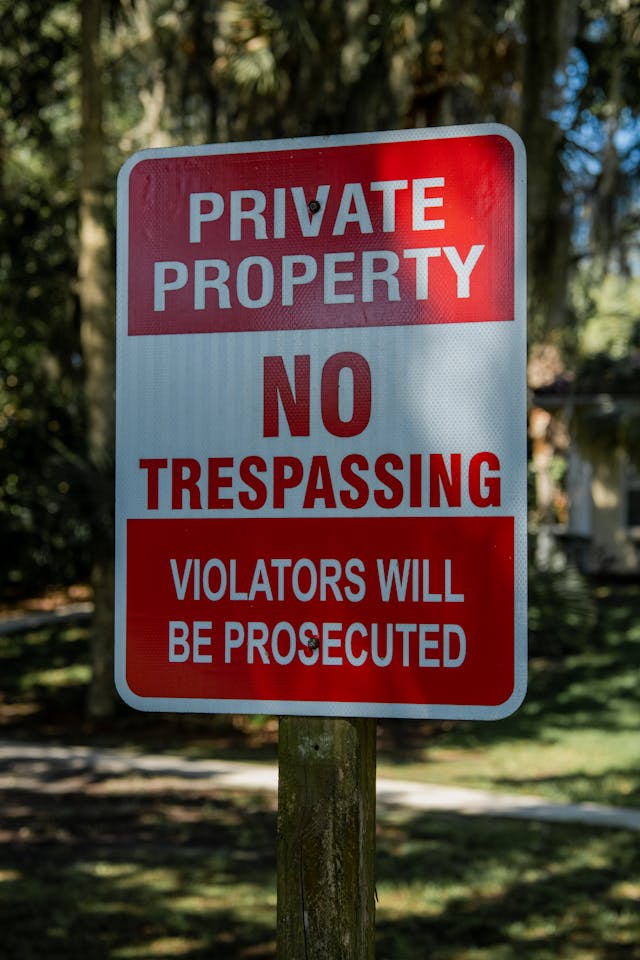
A clearly displayed sign helps courts and law enforcement, and it can make legal action against trespassers easier. Check and replace signs regularly, and schedule routine inspections to maintain and monitor vacant properties.
Maintain and Monitor Vacant Properties
Vacant homes draw squatters. Unoccupied, poorly maintained, or empty-looking places attract illegal occupants. Maintain a lived-in look with landscaping, managed mail delivery, and regular cleaning inside and outside.
Act fast on lease violations, issue warnings, and start the eviction process when needed. Keep up with regular property maintenance to cut risk. A property management company can monitor vacant properties, handle upkeep, and help with legal removal.
The Role of a Property Management Company
Property management companies monitor vacant homes, secure doors, file emergency actions to deter squatters, and handle eviction steps—read more.

Assistance With Preventing Squatters
Hire a property management company, especially for owners of multiple or distant properties. They find reliable tenants, and they run regular property checks to stop squatters. Guest Managers serves the Central Florida region (Orlando, Kissimmee, Davenport, and Clermont), and it offers expertise in Florida real estate to help landlords maximize rental income.
Guest Managers diligently track tenants and payments and keep clear property records. This includes tenant screening and other tools to help property management be efficient and organized.
Lawful, active oversight cuts squatter risk.
Support in Legal Removal Processes
Guest Managers provide support to rental owners in the legal removal processes. They help file unlawful detainer lawsuits, gather evidence, and work with courts.
The company also offers home buying, renting, selling, and property management services that lower the risk of squatting.
Guest Managers advise owners to document occupancy, keep inspection records, and track taxes that affect adverse possession claims. Guest Managers acts quickly, contacts law enforcement when legal conditions apply, and files required paperwork on behalf of clients.
FAQs About Florida Squatters’ Rights
Find clear answers to common questions about Florida squatters’ rights—can squatters claim property by paying taxes, are they trespassers, and which properties face higher risk; read more to learn what you should do.
Can Squatters Claim Property by Paying Taxes?
Squatters can try to claim Florida land by paying taxes, but strict rules apply. The law requires payment of all outstanding taxes and special improvement liens within one year of taking possession and continued payment for the full seven-year period.
Courts treat tax payments as a critical requirement, and claimants who do not pay cannot win under adverse possession.
A squatter who pays property taxes during occupancy has a better chance at an adverse possession claim. Owners should note a single year of tax payment alone will not replace the seven years of continuous occupation and the other hostile possession elements.
Are Squatters Considered Trespassers?
Florida law does not treat squatting as trespassing unless the occupant fails to meet adverse possession rules. If a property owner asks someone to leave and the person refuses, the response hinges on their status.
If the person has not been living there, they are trespassing, and the owner can seek criminal charges. If the person has been living there, the law classifies them as a squatter, and the owner must follow legal eviction procedures.
Law enforcement can remove an immediate trespasser at the owner’s request. For occupants who qualify as squatters, owners must file an unlawful detainer and follow the Florida eviction process.
What Types of Properties Are More Vulnerable?
Vacant, abandoned, or empty properties attract squatters more often. Owners who leave a house unsecured may face illegal occupation by friends, family, former partners, or victims of scams.
Long-empty buildings and lots invite longer stays without checks. Visit vacant sites often, lock doors, and post clear notices to lower the risk.
Conclusion
This article summarized squatters’ rights in Florida, the law on adverse possession, and ways owners can act. You learned the seven rules for adverse possession and the need to pay taxes and keep possession open and notorious.
Bills passed in 2025 and 2026 speed removal of occupants from commercial properties and ease owner claims. Act fast, inspect property, post no trespassing signs, install security, and file an unlawful detainer when needed.
Squatters on your property are indeed a messy legal battle. It is for this reason that property managers can help you maintain your property and prevent squatters from taking over and even increase occupancy rate, thereby eliminating the problem of squatting. Contact Guest Managers today for full-stack services in managing your rental property in Central Florida.
FAQs
1. What are squatters’ rights in Florida?
Squatter’s rights mean a person may try to claim land by long, open use. In Florida this idea links to a legal claim called adverse possession. It is not automatic. The person must meet strict rules, use the land openly, and keep possession for many years.
2. Can a squatter get legal ownership in Florida?
Yes, it can happen, but it is rare. A judge will look at the facts. The squatter must show open, exclusive, and hostile use and meet the time requirement. Paying taxes and having an ownership document can matter.
3. What should a property owner do if someone squats on their land?
Act fast, document what you own, call the local sheriff, and get legal help. File for eviction or a court order if needed. Keep records of visits, bills, and any trespass reports.
4. Are squatters entitled to stay in a home in Florida?
No, short stays do not create rights. Only long, open, and continuous possession may lead to a legal claim. Property owners can still remove unauthorized occupants, with court help if needed.