
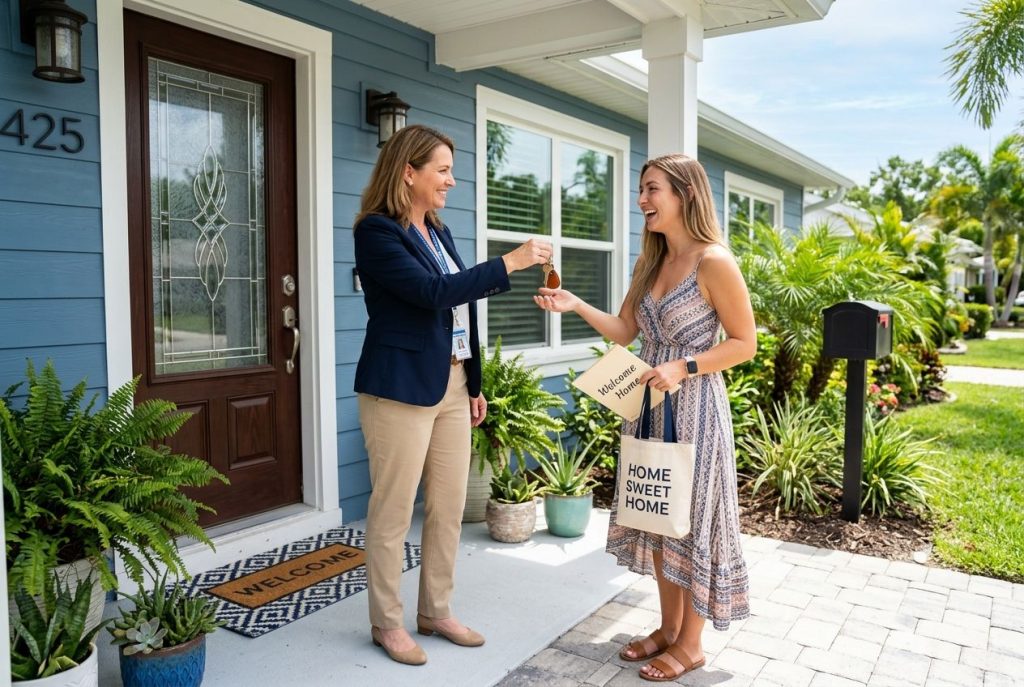
Florida law, like the Florida Residential Landlord and Tenant Act and chapter 83, says landlords must keep homes safe, provide working plumbing, heat, locks, pest control and follow housing codes.
This post will explain landlord obligations, notice requirements, security deposit rules, and tenant rights. Read on to learn more.
Key Takeaways
- Landlords must provide habitable housing with working plumbing, hot water, heat, locks, smoke alarms at lease start for single-family homes, and pest control.
- Landlords must keep roofs, windows, doors, floors, foundations, and common areas in good repair to meet building, health, and safety codes.
- Landlords must give at least 24 hours written notice before entry and may enter immediately in emergencies.
- Landlords must return security deposits within 15 days or send written notice of deductions within 30 days, and tenants have 15 days to object.
- Tenants may provide seven days, written notice for serious neglect, with remedies including withholding rent, filing complaints with FDACS, or suing in court.

What Are the Basic Responsibilities of Landlords in Florida?
Landlords must provide a habitable dwelling, with working plumbing, hot water, and heating. State law, including the Florida Residential Landlord Tenant Act and chapter 83, part II, requires compliance with local health, building, and safety codes.
Landlords must pay for necessary repairs, and they must follow building codes and property maintenance rules in the lease agreement or rental agreement. Under Florida statutes, landlords have the right to receive rent and may not raise it or cut services in a discriminatory way.
Landlords must preserve any security deposit during the tenancy and return it within 15 days after the tenant vacates or send written notice of deductions within 30 days. Landlords must respect the tenant’s right to peaceful possession and give at least 24-hour written notice before entering for inspection.
Landlords must make reasonable repairs when needed, though the lease may limit some maintenance obligations. Tenants can contact the Florida Department of Agriculture and Consumer Services or the Florida Bar Lawyer Referral Service for help with disputes or questions.
Property Maintenance and Habitability
Landlords must keep rental units safe, dry, and fit for living under landlord/tenant law in Florida and chapter 723. They must fix leaks, maintain structural elements, and follow flood disclosure, while tenants meet tenant responsibilities and pay rent.
What Utilities and Safety Features Must Landlords Provide?
Florida law requires working plumbing, hot water, and heating, to keep a dwelling habitable. Apartments must have functioning water, hot water, and heat during winter, and essential services like electricity must stay in good working condition.

Landlords must keep a rental safe, clean, and fit for living.
The statute for mobile home parks, chapter 723, also covers basic service duties for those sites. Tenants gain rights under florida landlord-tenant law if these services fail, which can affect nonpayment of rent claims and the eviction process.
Safe locks must work on doors and windows, to give reasonable security for tenants. Owners of single-family homes and duplexes must install working smoke detectors before a lease begins, unless a written agreement says otherwise.
Landlords must repair window screens at least once a year. Owners do not have to pay utilities, water, or garbage removal, unless the lease states they will, so tenant responsibilities often include utility bills and trash service.
How Must Landlords Maintain Structural Integrity?
Landlords must keep roofs, windows, doors, floors, steps, porches, exterior walls, and foundations in good repair. They must make reasonable repairs to meet building, housing, and health codes, and to keep a unit habitable.
For single-family homes or duplexes, landlords must maintain plumbing and structural elements in good repair, per applicable codes.
Apartment landlords must also maintain safe common areas, and they must keep exterior elements to prevent water intrusion and damage. Lease agreements can add duties, and landlords must repair window screens at least once a year.
Tenants may use tenant’s rights and rental laws under the act for residential real property to seek remedies, and landlords should carry landlord insurance and follow FDACS guidance.
Who Is Responsible for Pest Control in Rental Properties?
In Florida, landlords must provide a pest-free rental unit, and they must take steps to exterminate pests and prevent infestations. For apartments, landlords must arrange regular extermination services, and they must follow local health codes.
Lease agreements may assign duties, but they cannot waive statutory pest control requirements.
Extermination must be routine, and failure to act can give tenants legal remedies.
Tenants may seek remedies under Florida law, including termination of tenancy or rent withholding, after following steps in the tenant’s handbook and residential tenancies rules. Pest duties apply to all rental units unless the lease clearly states otherwise, and obligations can affect single family homes, nonresidential tenancies, home insurance claims, and even issues with self-service storage space.
What Are Landlords’ Duties Regarding Trash Management?
Apartment landlords must supply proper garbage disposal facilities for tenants, and they must keep those facilities sanitary under local health and housing codes. Landlords must make trash bins functional and accessible, and they must maintain common areas so tenants can use the containers safely.
Tenants must use the provided bins and follow recycling rules, and the lease can assign other duties or require the landlord to pay for removal. Garbage removal services must follow city or county rules, and property managers must hire compliant vendors when the lease or law requires it.
Tenant Rights and Privacy
Tenants have clear privacy rights under Florida law, and landlords must give proper notice before entry. Check lease and the Florida Statutes, review rules on security deposits, and note how electronic locks and routine inspections affect access.
How Much Notice Must Landlords Give Before Entering?
Landlords must give at least 24 hours’ notice before entering a rental unit for inspection or repair, and they must state the purpose and the time of entry. Florida law, Section 83.505, allows delivery in person, by mail, or by electronic mail if the parties agreed to that in writing.
Emergencies allow immediate entry, and the 24 hour rule does not apply in those cases. Landlords may not show the home to buyers without telling the renter and getting the renter’s agreement, and unauthorized entry can lead to a breach of privacy and legal consequences.
What Does “Peaceful Possession” Mean for Tenants?
Tenants have the right to private, peaceful possession of their dwelling, and they may use it lawfully. The landlord must not interfere, lock out a tenant, or shut off utilities, and retaliation for complaints about housing conditions is illegal under Florida Statutes.
A tenant may present the case in court if peaceful possession ends, and only the county sheriff can remove a tenant after a court order and a writ of possession. A landlord who cuts services or raises rent in retaliation can be liable for damages.
What Are the Rules for Security Deposits in Florida?
Landlord rules for security deposits in Florida, at a glance:

| Topic | Summary Point |
|---|---|
| Preservation | Landlords must preserve any security deposit during the tenancy, keeping records and funds intact. |
| Return Timeline | Landlords must return the deposit within 15 days after the tenant vacates if no claim is made. |
| Claim Notice Option | If the landlord intends to make deductions, they must provide written notice within 30 days of vacancy. |
| Delivery Methods | The claim notice must be delivered in person, by mail, or by email. Missing this notice forfeits the landlord’s right to claim. |
| Tenant Response Period | After receiving the claim notice, the tenant has 15 days to object in writing to any deductions. |
| Address Requirement | Tenants must provide an address for the return of the deposit; failure to supply one may strip the right to object. |
| Alternative to Deposit | Landlords may offer an option to pay a fee instead of a traditional security deposit, as an alternative agreement. |
| Enforcement Agencies | If a tenant objects, they may file a complaint with the Florida Department of Agriculture and Consumer Services or pursue court action under Florida Statutes. |
| Court Outcomes | If the landlord loses in court over an eviction or related matter, the landlord may be liable for certain costs and attorney fees incurred by the tenant. |
| Objection Mechanics | Tenants must object in writing within 15 days of receiving the claim notice to preserve dispute rights, then may file with FDACS or sue. |
Property-Specific Responsibilities
Landlords must follow building codes, handle HVAC and plumbing repairs, and honor the lease agreement for each rental unit, single-family home, or two-family home. They must use inspection reports, the local building department rules, and written maintenance requests to set priorities and fix safety and habitability issues fast.
What Maintenance Are Landlords Responsible for in Apartments?
In Florida, apartment owners must supply operational locks and keys for tenant security. Laws require functioning water, hot water, and heat during winter, and units must meet all building, housing, and health codes.
Owners handle extermination of pests, and they must provide safe, sanitary common areas for apartment tenants. Annual window screen repairs are required, and landlords must provide proper garbage disposal facilities, maintain smoke detectors, plumbing, and HVAC to keep units habitable.
What Are Landlord Duties for Single-Family Homes and Duplexes?
Below are landlord duties for single-family homes and duplexes.
| Duty | Summary Points |
|---|---|
| Compliance with codes | Must follow building, housing, and health codes. Landlords must keep plumbing and structural elements in good repair. |
| Smoke alarms at lease start | Landlord must install working smoke alarms at the start of a lease, unless a written agreement shifts responsibility. Tenant should verify alarms during the walk-through. |
| Structural upkeep | Roofs, floors, and exterior walls must remain in good repair. These elements must withstand normal forces without failure. |
| Water intrusion prevention | Landlord must maintain the property to prevent leaks and water damage. Prompt repairs reduce mold risk and health code violations. |
| Plumbing maintenance | Plumbing systems must stay in good working order. Landlord fixes supply lines, drains, and fixtures that fail under normal use. |
| Window screen repairs | Landlord must repair window screens once each year. Annual service helps meet habitability and pest prevention goals. |
| Lease-specified duties | Lease agreements may assign extra maintenance for single-family homes and duplexes. Written terms override default expectations when lawful. |
| Move-in inspection | Tenant should perform a walk-through and document issues before signing. Written move-in notes protect both landlord and resident for security deposit disputes or repair claims. |
What Happens If Landlords Fail to Meet Their Obligations?
Tenants may file a repair request, call a building inspector, or sue in civil court if a landlord fails to act. State law and the lease agreement set remedies, like rent withholding, escrowing rent, or claims for damages.
How Can Tenants Respond to Landlord Non-Compliance?
Tenants should act fast if a landlord fails to keep the unit safe or habitable. Tenants should use the law and written steps to protect their rights. Tenants should:
- Give seven days written notice of serious neglect, then withhold rent if the landlord does not act, save the withheld funds, and seek court permission before spending any money on repairs or rent repayment.
- Use prior written notice to end the lease if the landlord breaches major duties, then give up to 60 days written notice to move out, or 30 days for month-to-month, seven days for week-to-week tenancies without a written lease.
- File a complaint with the Florida Department of Agriculture and Consumer Services, FDACS, for security deposit disputes or other violations; include dates, copies of notices, and any photos or receipts as evidence.
- Object in writing to any security deposit deductions within 15 days of the landlord’s notice; if the landlord fails to send the required notice, they forfeit the right to claim against the deposit.
- Contact the Florida Bar Lawyer Referral Service at 800-342-8011 for legal help, or reach out to local legal aid offices and community law clinics for free or low-cost assistance.
- Keep a paper trail: send all written notices by certified mail, keep receipts, log repair requests, and save photos; use this record in court, FDACS claims, or settlement talks.
What Remedies Are Available to Tenants for Violations?
Tenants can use specific legal steps when a landlord breaks the lease or laws. Some steps need written notice; others need court filings or agency complaints. Tenant reminders are below:
- Send seven days’ written notice and then withhold rent for severe neglect, following Florida rules; use this only for major habitability failures, and keep a copy of the notice and records.
- Deposit past-due rent into the court registry if served with eviction papers to raise defenses and stay on good legal footing while the case proceeds.
- File a complaint with the Florida Department of Agriculture and Consumer Services or sue in court for security deposit disputes, and include receipts, lease copies, and correspondence.
- Object in writing to landlord deductions within 15 days of receiving notice of deposit deductions; keep proof of the objection and any supporting photos or estimates.
- Seek court judgment for prohibited eviction practices, where landlords may owe three months rent or actual damages, whichever amount is greater, plus other court-ordered relief.
- If the tenant wins an eviction defense, ask the court to award tenant costs and attorney fees, and submit invoices and proof of expenses to support the claim.
- Do not self-help evict; only the county sheriff can remove a tenant or change locks after a court issues a writ of possession, so call the sheriff if the landlord attempts an illegal lockout.
The Crucial Role of Property Managers
Property managers ensure compliance with this long list of landlord responsibilities to avoid disputes, fines, and messy court cases, and they also help keep tenants happy for repeat business and a good online reputation for rental properties. On top of this, property managers also ensure a higher occupancy rate, leading to more passive income.
In Orlando and the surrounding areas of Kissimmee, Davenport, and Clermont, landlords/rental property owners can count on Guest Managers to ensure compliance with landlord responsibilities and rental property laws and have happy clients. This, along with robust advertising, dynamic pricing strategy, and consistent rent collection, allows rental property owners to make these real estate investments highly profitable.
Conclusion
Landlords must keep rentals safe, sound, and fit to live in. They must follow building code, repair structure, and keep plumbing, heat, and power working. They must install smoke alarms at the lease start for single homes, control pests, clean common areas, and manage trash.
They must give at least 24 hours’ notice before entry and return the security deposit or send written notice of any deductions. Courts stop illegal evictions, and renters can use inspection requests, repair notices, or small claims to seek remedies.
Rental property owners need not worry or be overwhelmed about all these details in maintaining their rental investments. Guest Managers offers full-stack property management in Orlando, so that you can have worry-free property maintenance, compliance with rental laws, consistent rent collection, and a higher occupancy rate. Talk to us today for a free assessment.


FAQs
1. What are landlords responsible for in Florida?
Landlords in Florida must keep a rental safe and fit to live in. They make repairs, keep systems working, follow local rules, keep common areas safe, and provide working locks and safety devices. They also follow laws on deposits and notices.
2. How soon must landlords make repairs in Florida?
After a tenant gives notice, landlords must act in a reasonable time. For true emergencies, act fast, fix the danger, or make the place safe. Landlords should document requests and repairs.
3. Can a landlord keep my deposit in Florida?
A landlord can keep part or all of a deposit only for lease breaches, unpaid rent, or damage beyond normal wear. They must follow Florida law, give written notice, and return the deposit or a clear accounting within the required time.
4. When can a landlord evict a tenant in Florida?
A landlord can evict for nonpayment, lease violations, or when the lease ends and the tenant stays. The landlord must give the required notice, file a court case, and get a court order to remove a tenant. Landlords may not lock out a tenant or remove property on their own.